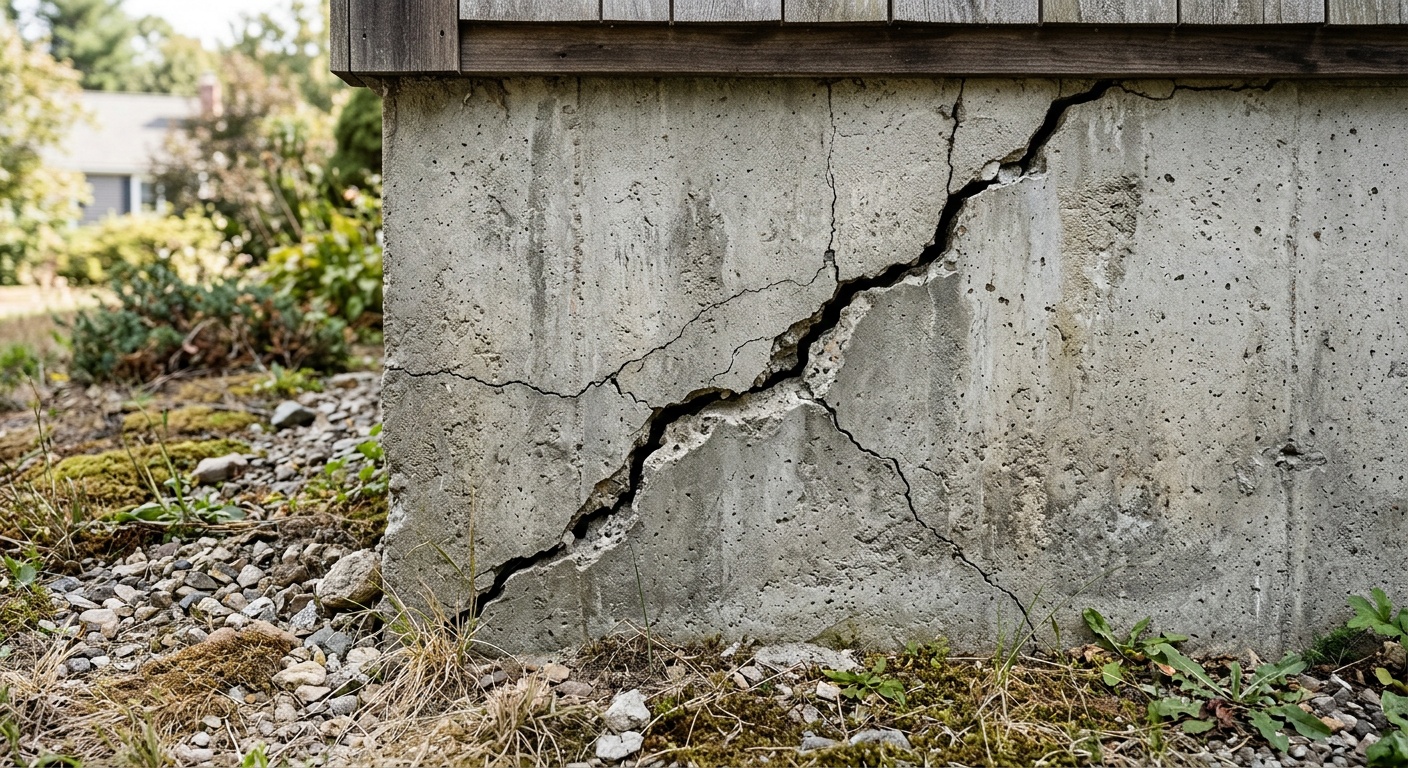
Foundation Cracks and Water Intrusion: What Homeowners Must Know
Reading time: 14 minutes
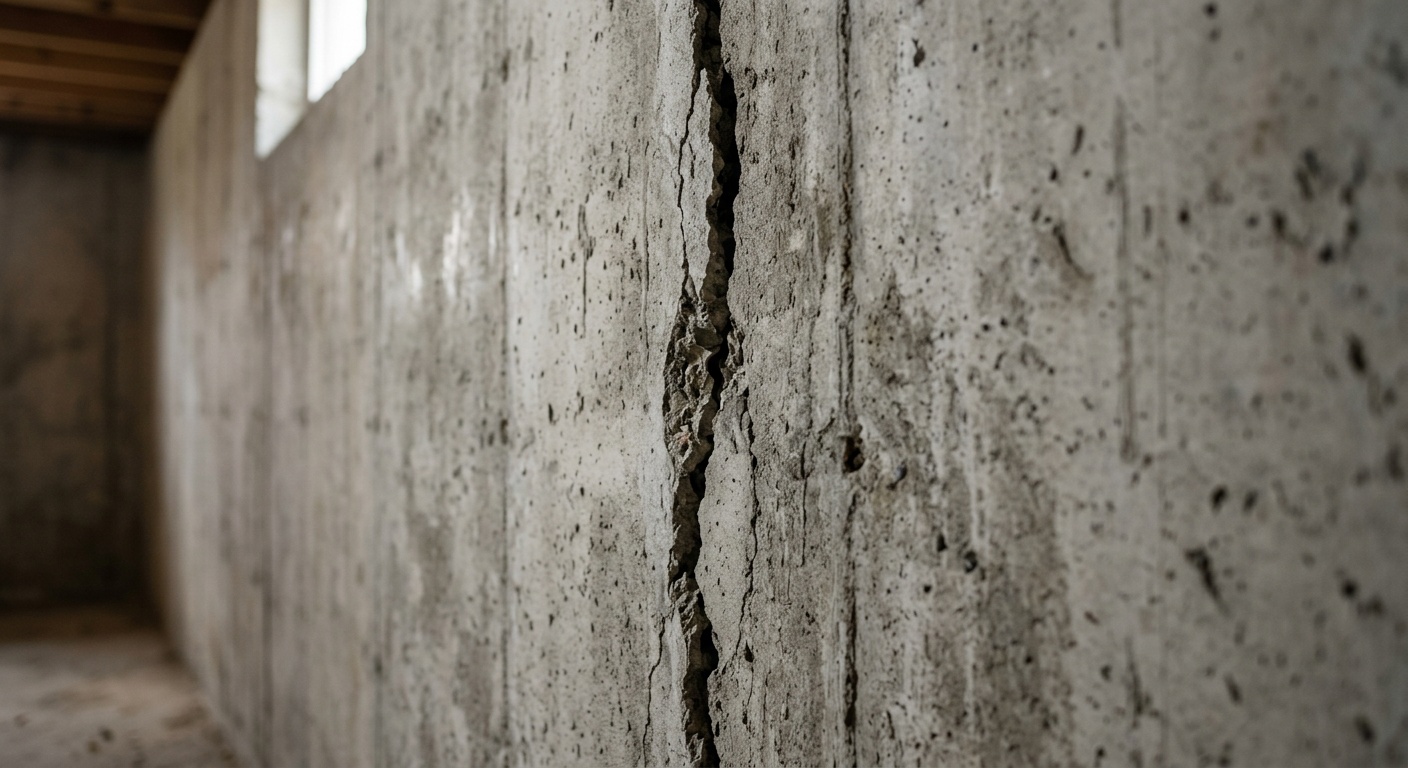
That hairline crack snaking across your basement wall. The faint musty smell after a rainstorm. The subtle dampness on your concrete floor that wasn’t there last spring. Sound familiar? If you’re a homeowner, these warning signs aren’t just cosmetic nuisances — they’re your house trying to tell you something urgent.
Foundation cracks and water intrusion are among the most misunderstood, underestimated, and financially devastating problems a homeowner can face. In 2026, with increasingly volatile weather patterns, aging housing stock, and construction costs at record highs, understanding exactly what’s happening beneath your feet — and what to do about it — has never been more critical.
Here’s the straight talk: Not every crack is a catastrophe, but no crack should be ignored. The difference between a $400 fix and a $40,000 foundation overhaul often comes down to how quickly and intelligently a homeowner responds.
This guide will give you the expert knowledge to recognize what’s serious, understand why it happens, and take confident, cost-effective action.
Table of Contents
- Why Foundation Health Matters More Than Ever in 2026
- Decoding Foundation Cracks: What Each Type Means
- Water Intrusion: How It Enters and Why It Escalates
- Common Risk Factors Every Homeowner Should Assess
- Real-World Scenarios: Lessons From Homeowners Who’ve Been There
- Solutions Compared: DIY vs. Professional Intervention
- Foundation Problem Severity: At a Glance
- Crack Types and Response Urgency: Comparative Guide
- Frequently Asked Questions
- Your Foundation Protection Roadmap: Next Steps
Why Foundation Health Matters More Than Ever in 2026
According to the American Society of Home Inspectors (ASHI), approximately 60% of homes built in the United States have experienced some form of below-grade moisture issue. In 2026, that statistic carries even more weight. Here’s why:
- Climate volatility has intensified freeze-thaw cycles in northern states and increased heavy rainfall events across the Midwest and Southeast, accelerating soil movement around foundations.
- Aging housing stock: A significant portion of American homes were built between 1950 and 1985 — meaning their foundations are now 40 to 75 years old, well into the range where concrete degradation and waterproofing membrane failures become common.
- Rising repair costs: As of early 2026, full foundation underpinning projects average between $8,000 and $23,000 depending on region, a 22% increase from 2023 costs according to HomeAdvisor’s latest pricing index.
- Real estate disclosure laws in 38 states now require sellers to disclose known foundation issues — making early detection a financial necessity for future resale value.
The bottom line? Your foundation isn’t just structural — it’s financial. Protecting it proactively is one of the highest-return investments a homeowner can make.
Decoding Foundation Cracks: What Each Type Means
One of the most empowering things you can do as a homeowner is learn to read your foundation’s language. Not all cracks are created equal, and misidentifying them leads to either unnecessary panic or dangerous complacency.
Hairline and Shrinkage Cracks
These thin, often vertical or slightly diagonal cracks are extremely common — especially in poured concrete foundations less than 10 years old. They typically result from concrete curing and normal shrinkage as moisture leaves the concrete during the initial hardening process.
Width: Less than 1/16 inch (the thickness of a credit card)
Urgency level: Low to moderate
Action required: Monitor with a crack gauge over 6–12 months; seal with hydraulic cement or polyurethane caulk if moisture infiltration begins
Pro Tip: Mark the ends of a crack with pencil marks and dates. If the crack grows beyond those marks, it’s no longer a shrinkage crack — escalate your response immediately.
Horizontal Cracks: The Red Flag You Cannot Ignore
Horizontal cracks running across a block or poured concrete wall are among the most serious signs a structural engineer should see as soon as possible. These occur when lateral soil pressure — the weight of saturated or frozen soil pressing against your foundation wall — exceeds the wall’s structural capacity.
Width: Any width is concerning
Urgency level: High to critical
Action required: Do not attempt DIY repair. Contact a licensed structural engineer within days, not weeks.
In severe cases, horizontal cracks indicate the wall is actively bowing inward. Structural engineers in 2026 frequently use carbon fiber strap reinforcement systems or steel I-beam bracing to stabilize walls before they fail completely — a failure that can mean complete wall collapse and tens of thousands in emergency repairs.
Stair-Step Cracks in Block or Brick Foundations
These diagonal cracks that follow the mortar joints in block or brick foundations look exactly like their name: a descending staircase pattern. They typically signal differential settlement — meaning one section of your foundation is sinking or shifting at a different rate than another.
Width: Concerning at 1/4 inch or wider
stair-step cracks can also allow significant water infiltration even when relatively narrow, because they penetrate through the full thickness of a mortar joint.
Diagonal Cracks from Window or Door Corners
Cracks that radiate diagonally from the corners of basement windows or doorframes usually indicate settling or heaving in a localized area of the foundation. While often less severe than horizontal cracks, they frequently accompany doors or windows that no longer open and close smoothly — a secondary symptom worth paying attention to.
Water Intrusion: How It Enters and Why It Escalates
Water is patient, relentless, and astonishingly creative in finding its way into your home. Understanding the mechanics of water intrusion helps you target the right solution rather than applying ineffective band-aids.
The Three Primary Entry Pathways
1. Hydrostatic Pressure
When soil becomes saturated — after heavy rain or snowmelt — water builds up pressure against your foundation walls and floor. This hydrostatic pressure can force water through even microscopic pores in concrete. It’s the reason your basement stays dry during moderate rain but floods after three days of heavy precipitation.
2. Capillary Action (Wicking)
Concrete is not a solid, impermeable material — it’s actually quite porous. Water molecules naturally migrate through the microscopic pores of concrete from high-moisture areas to low-moisture areas. This is why basement floors can feel perpetually damp even without visible cracks. An interior dehumidifier addresses symptoms; addressing exterior drainage addresses the cause.
3. Surface Water and Poor Grading
The ground around your home should slope away from the foundation at a rate of at least 6 inches over the first 10 feet (per International Residential Code standards). When grading is flat or slopes toward the house — due to soil settling, landscaping changes, or improper original construction — rainwater pools at the foundation and dramatically increases intrusion risk.
“In over 70% of the wet basement cases I evaluate, the root cause is a drainage problem that could have been corrected for a few hundred dollars — but by the time the homeowner calls me, the damage to the foundation and interior finishes has turned it into a multi-thousand-dollar project.”
— Mark Delaney, Licensed Structural Engineer and Founder of FoundationFirst Consulting, Ohio (2025 interview)
4. Window Well Flooding and Cove Joint Leaks
Two additional entry points deserve special mention. Window wells that lack proper drainage allow water to collect and press directly against basement window frames. The cove joint — the seam where your basement wall meets the floor — is another notoriously common leak point, because the wall and floor were poured at different times and never form a perfectly sealed bond.
Common Risk Factors Every Homeowner Should Assess
Certain conditions dramatically increase your home’s vulnerability to foundation cracking and water intrusion. Run through this checklist honestly:
- Clay-heavy soil: Clay expands when wet and contracts when dry, creating ongoing pressure cycles against foundation walls. Homes in the Dallas-Fort Worth area, Chicago suburbs, and much of the Pacific Northwest sit on expansive soils that move significantly with seasonal moisture changes.
- Mature trees near the foundation: Root systems from large trees — particularly silver maples, willows, and elms — can extend 2–3 times the tree’s height outward, disrupting soil density and drawing moisture away from the soil unevenly.
- Gutters that dump near the foundation: Downspouts should extend at least 6 feet away from the house. In 2026, many municipalities offer rebate programs for splash block and downspout extension installations.
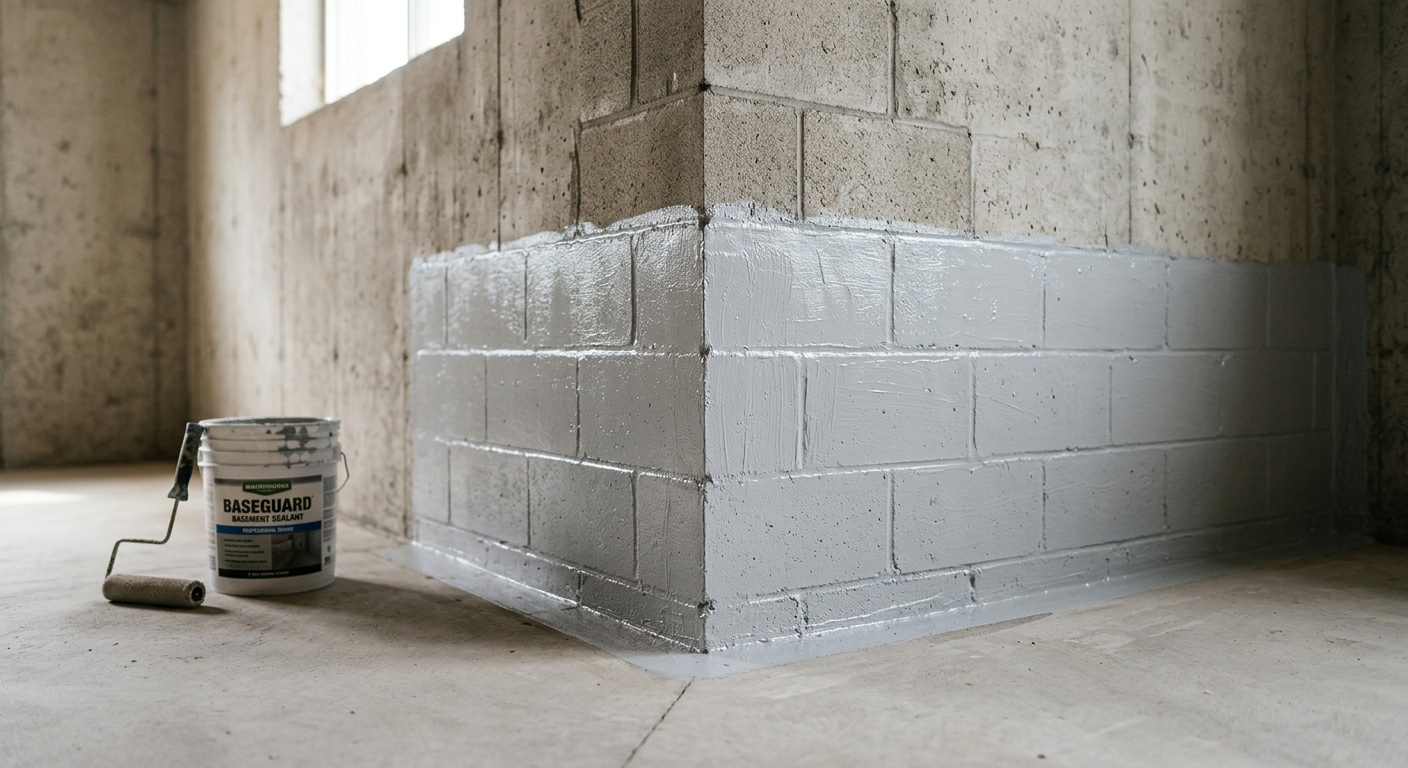
- Previous owners’ undisclosed repairs: Fresh paint on basement walls — especially white waterproofing paint — is sometimes used to cosmetically conceal moisture staining or active seepage. Always ask for disclosure documentation.
- Age of waterproofing membrane: Exterior waterproofing membranes applied at time of construction typically have a service life of 10–25 years depending on product type. Homes built in the 1970s–1990s may have no remaining waterproofing protection.
- Recent drought followed by heavy rain: Prolonged dry periods cause soil to pull away from foundations, leaving gaps. When heavy rain arrives, water rushes into these gaps and directly against the wall — a particularly damaging cycle that has become more common across the American South and Midwest through 2025 and 2026.
Real-World Scenarios: Lessons From Homeowners Who’ve Been There
Scenario 1: The Ignored Crack That Became a $17,000 Problem
In suburban Columbus, Ohio, a homeowner noticed a horizontal crack along their poured concrete basement wall in the spring of 2024. Assuming it was “just settling,” they filled it with tube caulk from a hardware store and painted over it. By winter of 2025, the crack had widened to nearly a half-inch and the wall had developed a visible inward bow of almost 2 inches. A structural engineer confirmed the wall was in early-stage failure.
The repair required full interior carbon fiber strapping installation plus a partial exterior excavation — totaling $17,400. The original repair window, when the crack was new and the wall was only slightly stressed, would have cost approximately $3,200 for professional wall anchoring. The lesson: horizontal cracks are never a DIY caulk project.
Scenario 2: The $600 Fix That Saved a Foundation
A first-time homeowner in Charlotte, North Carolina purchased a 1978 ranch home in 2023. During a wet spring in 2025, she noticed water seeping in along the cove joint in one corner of her basement after heavy rains. Rather than immediately calling for expensive interior waterproofing systems, she had a drainage contractor assess the exterior grading first.
The diagnosis: soil along the rear of the home had settled, creating a 4-inch negative slope toward the foundation over an 8-foot span. A landscaper regraded the area and extended her two rear downspouts with flexible extensions. Total cost: $580. She has had zero water intrusion through two subsequent heavy-rain seasons. The lesson: always address exterior drainage before investing in interior waterproofing systems.
Scenario 3: Catching It During a Home Inspection
A couple purchasing a 1965 brick colonial in the Philadelphia suburbs in early 2026 commissioned a specialized foundation inspection as part of their due diligence (beyond the standard home inspection). The inspector identified stair-step cracking along two exterior corners of the foundation and evidence of prior water intrusion that had been cosmetically concealed with paint. They negotiated a $14,000 seller credit to address foundation repointing, exterior waterproofing repair, and interior drainage tile installation. Without the specialized inspection, they would have owned the problem outright within weeks of closing.
Solutions Compared: DIY vs. Professional Intervention
Not every foundation concern requires a contractor. Understanding which repairs are genuinely DIY-appropriate — and which ones absolutely aren’t — saves both money and structural integrity.
When DIY Is Appropriate
- Sealing hairline cracks (under 1/16″) in poured concrete with polyurethane or epoxy injection kits (available for $30–$80 at hardware stores)
- Regrading soil along the foundation perimeter (requires topsoil and a few hours of weekend work)
- Extending downspouts with flexible corrugated extensions
- Cleaning and inspecting gutters seasonally to prevent overflow at the foundation
- Installing window well covers to reduce rainwater accumulation
When Professional Help Is Non-Negotiable
- Any horizontal crack — requires structural engineer evaluation
- Walls showing visible bowing or inward movement
- Cracks wider than 1/4 inch, regardless of orientation
- Active water intrusion that persists despite exterior drainage corrections
- Stair-step cracks with displacement (one side of the crack higher than the other)
- Any crack accompanied by doors/windows sticking or floors feeling uneven
Professional solution options in 2026 include:
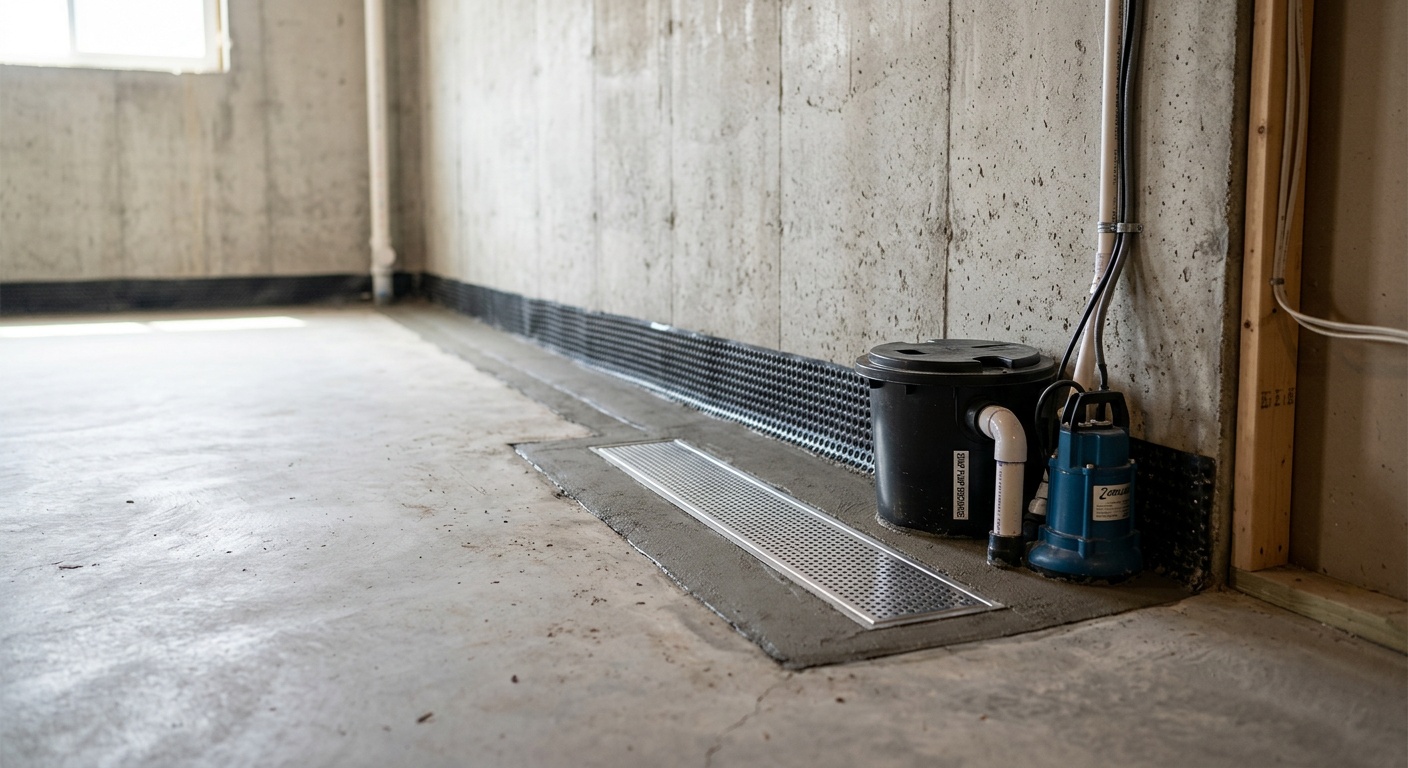
- Interior drainage systems (French drain with sump pump): $5,000–$12,000 for average basement
- Carbon fiber wall strapping: $3,000–$8,000 depending on wall length and number of straps
- Piering/underpinning for settlement: $1,000–$3,000 per pier, typically 8–15 piers needed
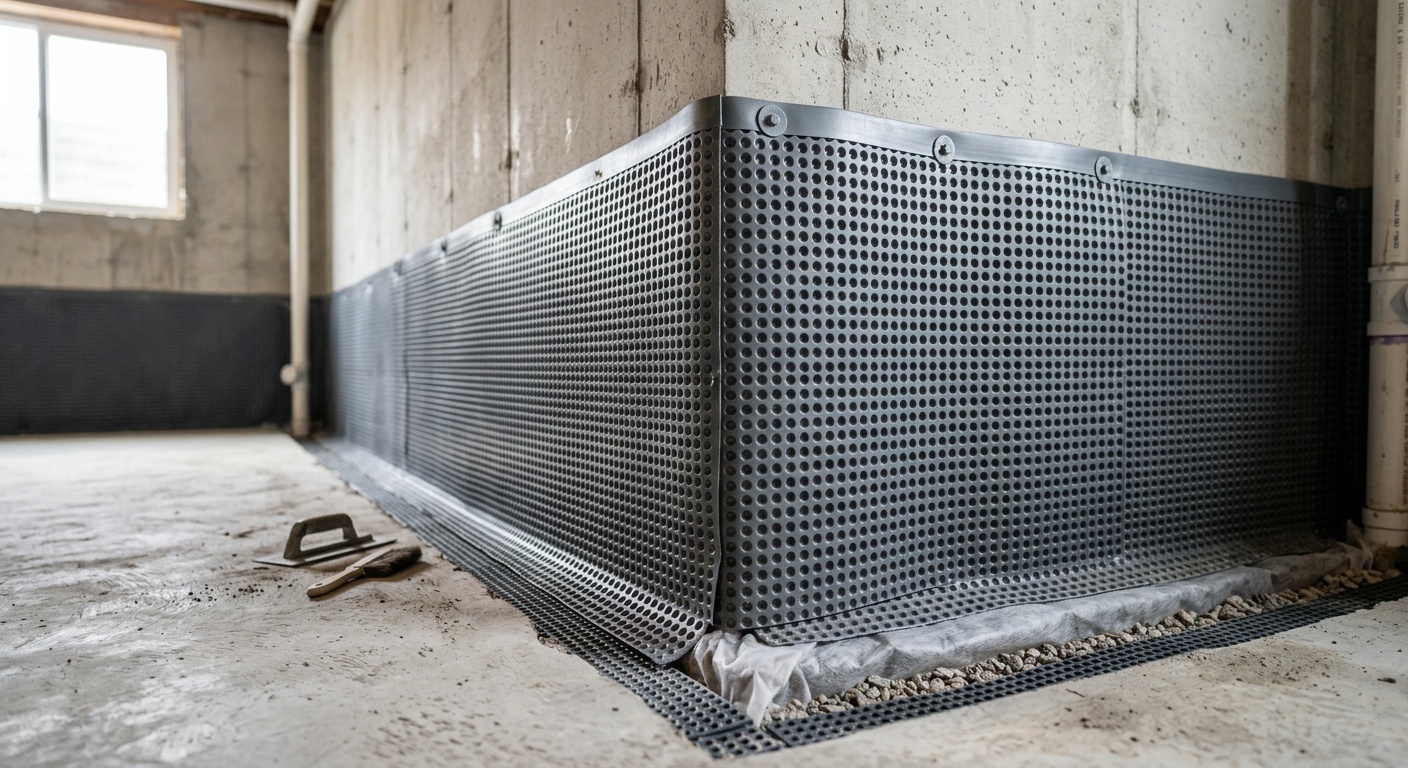
- Exterior waterproofing excavation: $8,000–$20,000+ depending on home perimeter
Foundation Problem Severity: At a Glance
The following visualization illustrates the relative frequency of foundation problems by type among inspected homes in 2025, based on aggregated data from the National Association of Home Inspectors annual report.
78%
61%
34%
18%
9%
Source: National Association of Home Inspectors Annual Deficiency Report, 2025. Percentages represent share of inspected homes exhibiting each condition.
Crack Types and Response Urgency: Comparative Guide
| Crack Type | Likely Cause | Urgency Level | DIY Possible? | Avg. Repair Cost (2026) |
|---|---|---|---|---|
| Hairline vertical | Concrete shrinkage | Low | Yes | $30–$200 |
| Stair-step (mortar joints) | Differential settlement | Moderate–High | Partial | $800–$5,000 |
| Diagonal (corner/window) | Localized settlement or heaving | Moderate | Monitor only | $400–$3,500 |
| Horizontal | Lateral soil/hydrostatic pressure | Critical | No | $3,000–$20,000+ |
| Cove joint seepage | Hydrostatic pressure / poor drainage | Moderate–High | Drainage fix only | $500–$8,000 |
Frequently Asked Questions
How do I know if a foundation crack is structural or cosmetic?
The primary indicators of a structural crack are: width greater than 1/4 inch, horizontal orientation, visible displacement between the two sides of the crack (one side sits higher or protrudes further than the other), or a crack that continues to grow over weeks and months. Cosmetic cracks are typically hairline-thin, vertical or near-vertical, and stable over time when monitored. When in doubt, a structural engineer can provide a definitive assessment — most charge $300–$700 for a foundation inspection in 2026, which is modest compared to the cost of misdiagnosis in either direction.
Can I waterproof my foundation from the inside, and will it actually work?
Interior waterproofing systems — including drainage tile, sump pumps, and crystalline waterproofing coatings — are highly effective at managing water once it enters, but they do not stop water pressure against the exterior wall. They are best understood as water management systems, not waterproofing solutions in the truest sense. For homes with significant hydrostatic pressure issues or failing exterior membranes, exterior waterproofing (which requires excavating around the foundation) addresses the problem at its source. Many waterproofing professionals now recommend a hybrid approach: exterior membrane repair in high-pressure zones combined with interior drainage for secondary protection.
Does homeowner’s insurance cover foundation cracks and water damage?
This is one of the most important and frequently misunderstood questions in home ownership. Standard homeowner’s insurance policies in 2026 generally do not cover foundation damage caused by gradual settlement, soil movement, or long-term water intrusion — these are classified as maintenance-related issues. Coverage may apply if damage results from a sudden, covered event such as a burst pipe or specific named storm event, depending on your policy. Flood damage (water from external sources including storm surges and overflowing waterways) requires separate flood insurance through FEMA’s National Flood Insurance Program or a private carrier. Review your specific policy with your insurer and consider adding a water backup endorsement if your basement contains a sump pump system.
Your Foundation Protection Roadmap: Next Steps
You’ve now got the knowledge most homeowners only wish they’d had sooner. The question isn’t whether your foundation will ever face pressure from soil, water, or time — it will. The question is whether you’ll be ready to respond intelligently when it does.
Here’s your action-oriented roadmap, starting this week:
- Conduct a baseline inspection today. Walk your full basement or crawlspace perimeter with a flashlight and a notepad. Document every crack you see with photos, a ruler measurement, and a date. This baseline is invaluable for tracking changes over months and seasons.
- Assess your exterior drainage within the next 30 days. Check the slope of soil around your foundation, the condition of gutters and downspouts, and whether window wells have functional drainage. These low-cost fixes eliminate the most common water intrusion causes before they become structural problems.
- Schedule a professional assessment if you see anything horizontal, bowing, or wider than a quarter-inch. Don’t wait for a seasonal “good time.” Structural problems do not improve with time — they only grow more expensive.
- Review your insurance coverage this month. Contact your insurer to understand exactly what is and isn’t covered for water and foundation issues. Add flood insurance if you’re in a 100-year or 500-year flood zone — FEMA updated its flood maps significantly in 2025, and many homeowners discovered their risk classification had changed.
- Create a seasonal maintenance routine. Each spring and fall, clear gutters, check downspout extensions, recheck monitored cracks, and test your sump pump if you have one. Prevention is always cheaper than remediation.
As climate patterns continue to intensify and housing stock continues to age, the homeowners who thrive financially are those who treat their foundation not as an afterthought, but as the living system it truly is — one that requires attention, monitoring, and occasional intervention.
Your home is likely your largest financial asset. The ground beneath it deserves the same strategic attention you give to your roof, your HVAC system, and your finances. What does the baseline inspection you conduct today reveal about what your foundation has been quietly trying to tell you?