Warning Signs Your Basement Has a Serious Moisture Problem
Reading time: 12 minutes
That faint musty smell when you open the basement door. The slight discoloration creeping up the corner wall. The door that suddenly won’t close properly anymore. Sound familiar? These aren’t just minor annoyances — they’re your home quietly screaming for help.
Basement moisture is one of the most underestimated threats to residential properties in North America. According to the American Society of Home Inspectors, approximately 60% of U.S. homes with basements experience some form of below-grade moisture intrusion. In 2026, with increasingly volatile weather patterns driving heavier precipitation events across the Midwest, Southeast, and Northeast, that number is trending upward.
Here’s the straight talk: most homeowners don’t act until the damage is already expensive. The goal of this guide is to help you identify the red flags before a minor seepage issue becomes a $20,000 waterproofing project — or worse, a health crisis driven by toxic mold growth.
Whether you’re a first-time homeowner unsure what’s normal or a seasoned property owner who wants to stay ahead of structural damage, this guide will walk you through every warning sign, what it means, and what to do about it.
Table of Contents
- Why Basement Moisture Is More Serious Than You Think
- Early Warning Signs You Should Never Ignore
- Advanced Warning Signs: When Damage Is Already Underway
- The Root Causes Behind Basement Moisture
- Moisture Problem Severity: A Comparative Guide
- The Hidden Health Risks of Basement Moisture
- Real Homeowner Scenarios: Lessons Learned
- How Common Are These Problems? The Numbers
- What To Do When You Spot the Warning Signs
- Frequently Asked Questions
- Your Moisture Defense Roadmap: Next Steps
Why Basement Moisture Is More Serious Than You Think
Let’s set the stage properly. A damp basement isn’t just an inconvenience — it’s a compounding problem. Water that finds its way into your basement doesn’t stay put. It migrates into framing lumber, insulation, drywall, and concrete. It feeds mold colonies that release spores into your home’s air supply. It weakens structural foundations over years of freeze-thaw cycling.
The National Association of Realtors reported in early 2026 that homes with documented water intrusion history sell for 10–25% below comparable dry properties in the same market. Beyond resale value, the remediation costs for serious basement water damage — including mold removal, foundation repair, and interior waterproofing — can range from $8,000 to $50,000 depending on severity and region.
But here’s the empowering part: caught early, most basement moisture issues can be resolved for a few hundred to a few thousand dollars. The knowledge gap — not knowing what to look for — is what allows small problems to become catastrophic ones.
Early Warning Signs You Should Never Ignore
1. Musty or Earthy Odors
Your nose is one of your most powerful diagnostic tools. A persistent musty, damp, or “earthy” smell in your basement is almost always an indicator of excess moisture — even when you can’t see any visible water. This odor is typically produced by microbial volatile organic compounds (MVOCs), the metabolic byproducts of mold and mildew activity.
If you notice the smell is stronger after rain events or during humid summer months, that’s a critical clue pointing toward water intrusion through walls or floor rather than simple condensation. Don’t use air fresheners to mask it — address the source.
Quick action step: Do a “sniff test” every time you enter the basement for two weeks. Note whether the smell intensifies after rain. If it does, you likely have an active water pathway.
2. Efflorescence on Walls and Floors
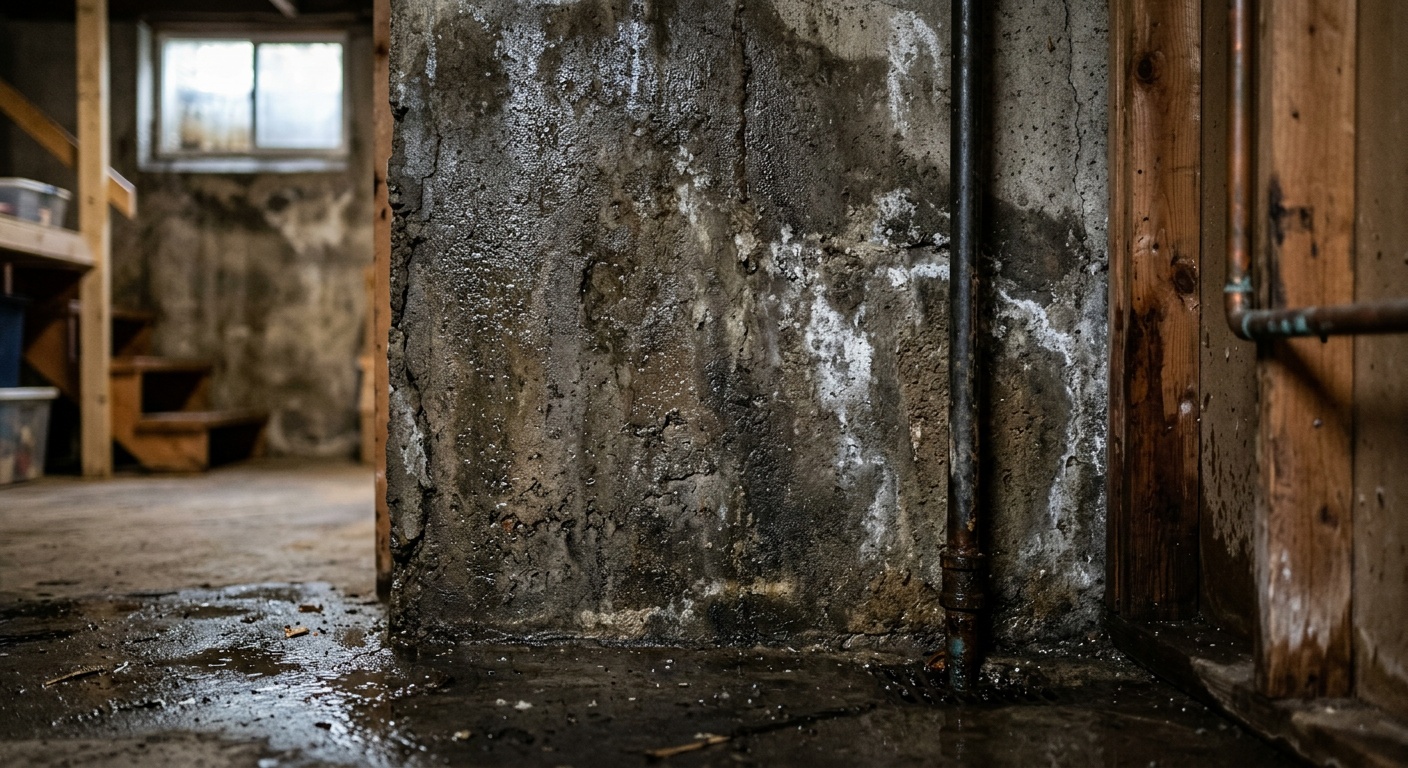
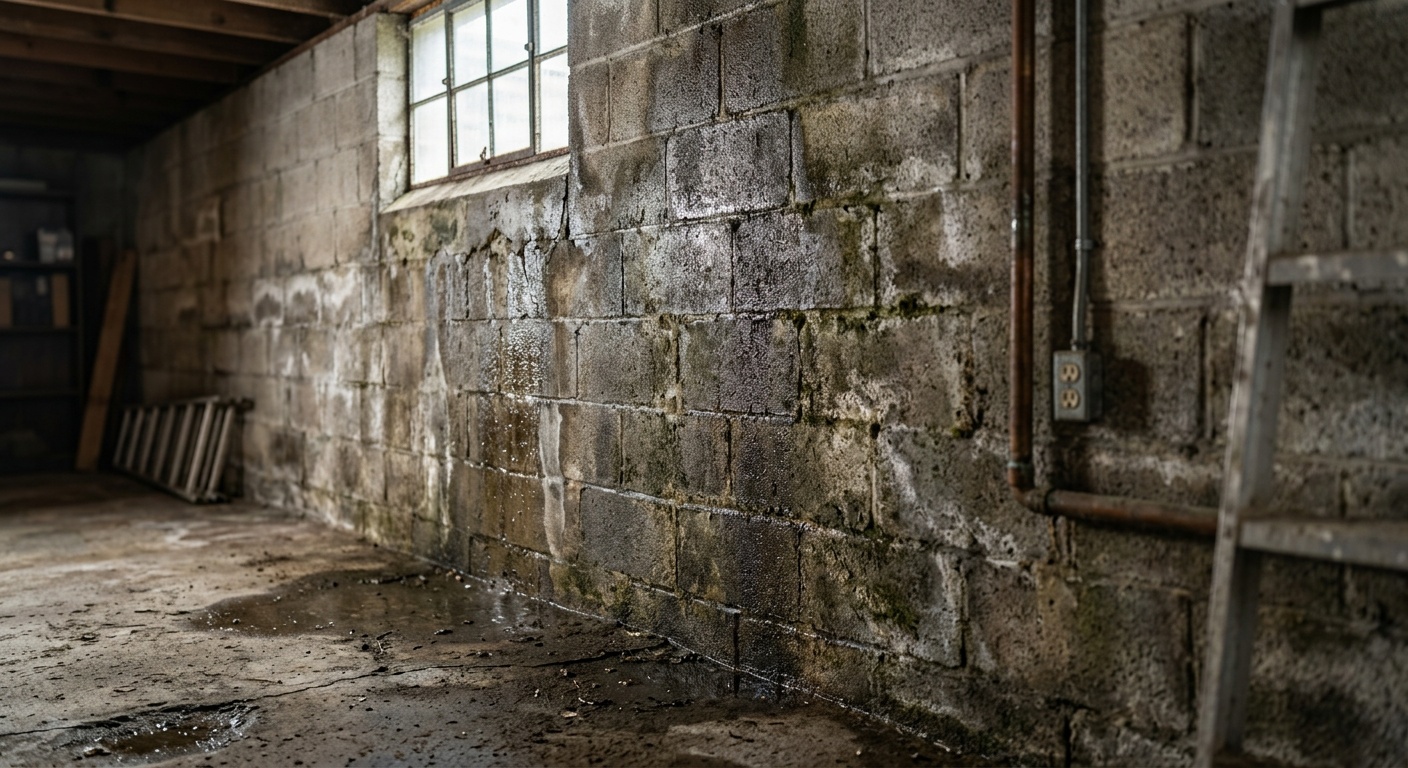
That white, chalky, crystalline powder you see on your concrete or masonry basement walls? It has a name: efflorescence. It forms when water moves through concrete or block walls, dissolves minerals within the material, and then deposits those minerals on the surface as it evaporates.
Efflorescence itself isn’t structurally dangerous, but it is an unmistakable indicator that water is actively moving through your foundation walls. Think of it as a mineral breadcrumb trail — it tells you exactly where the moisture pathways are. Many homeowners mistake it for paint peeling or mineral deposits and brush it off. That’s a costly mistake.
3. Peeling Paint or Bubbling Wall Finishes
If your basement walls are painted or finished with drywall, watch for paint that is bubbling, blistering, or peeling away from the surface. This happens when moisture vapor pushes outward through the wall from the exterior soil side, breaking the adhesion between paint and substrate.
This is particularly common in basements where previous owners applied waterproof paint to interior walls as a “fix” — a technique that often fails because it traps hydrostatic pressure behind the coating. Eventually, that pressure wins.
4. Rust Stains or Water Marks
Look at the lower portions of any metal items stored in the basement — shelving units, appliances, support columns. Rust formation is a strong secondary indicator of chronically elevated humidity. Similarly, water staining lines — brownish or grayish horizontal marks on walls — show you exactly how high water levels have risen during past intrusion events. These tide marks are some of the most revealing clues a basement can offer.
Advanced Warning Signs: When Damage Is Already Underway
Cracks in Foundation Walls or Floor
Not all basement cracks are equal, and this is where many homeowners get confused. A hairline crack in a poured concrete wall may be purely cosmetic — the result of normal concrete curing shrinkage. But certain crack patterns are serious red flags:
- Horizontal cracks in block or poured concrete walls: These indicate lateral soil pressure and can signal structural failure. This is a genuine emergency.
- Stair-step cracks in block or brick walls: These follow mortar joints and often indicate differential settlement or water-driven erosion beneath the foundation.
- Wide vertical cracks (>1/4 inch): May indicate significant settlement. Monitor with crack gauges to determine if they’re active or dormant.
- Cracks with efflorescence or water staining: Active water infiltration pathways — prioritize these immediately.
In 2026, structural engineers widely recommend using carbon fiber crack monitoring strips to track whether foundation cracks are growing. These low-cost tools give you data rather than guesswork.
Mold or Mildew Growth
Visible mold growth on basement walls, ceiling joists, stored boxes, or furniture is the most urgent warning sign on this list. Mold requires three things to thrive: moisture, organic material, and temperatures above 40°F. A basement provides all three in abundance.
Mold can appear as fuzzy growth in shades of black, green, gray, or white. Some homeowners confuse white mold with efflorescence — the difference is that mold is biological and will smear when touched, while efflorescence is crystalline and will crumble or dissolve with water.
The presence of Stachybotrys chartarum (black mold) in particular demands immediate professional remediation. Do not attempt DIY removal of large mold colonies — disturbing them can release massive quantities of spores into your living space.
Bowing or Warping Walls
If you notice that your basement walls are no longer perfectly vertical — if they appear to be bowing inward, especially in the middle — this is a critical structural emergency. Hydrostatic pressure from saturated exterior soil is pushing your foundation inward. Left unaddressed, this can lead to complete wall failure and foundation collapse.
According to data from the Structural Engineering Institute’s 2025 residential survey, homes in regions that experienced the record precipitation events of 2024–2025 saw a 34% increase in foundation lateral movement claims compared to the previous five-year average.
Standing Water or Wet Floors After Rain
This one seems obvious, yet it’s remarkable how many homeowners normalize puddles after heavy rain events, blaming them on “an unusually wet storm.” Standing water in a basement is never normal. It indicates active water intrusion — whether through floor cracks, wall-floor joints, window wells, or floor drains backing up. Recurring standing water will rapidly degrade flooring, promote mold, and create breeding conditions for pests.
The Root Causes Behind Basement Moisture
Understanding why moisture enters is essential for choosing the right solution. There are three primary moisture sources:
- Condensation: Warm, humid air from the living space contacts cool basement walls or pipes, condensing into liquid water. Common in summer months. Often confused with seepage.
- Seepage through walls and floor: Groundwater or rainwater penetrates through porous concrete, cracks, or the wall-floor cove joint. Driven by hydrostatic pressure.
- Surface water runoff: Poor grading around the foundation, clogged gutters, or downspouts discharging too close to the house direct rainwater toward the foundation.
Pro Tip: Tape a piece of plastic sheeting (roughly 12″x12″) flat against your basement wall and seal all edges with tape. Leave it for 24–48 hours. If moisture appears on the wall side of the plastic, it’s seepage from outside. If moisture appears on the room side, it’s condensation from interior air. This simple test directs your entire repair strategy.
Moisture Problem Severity: A Comparative Guide
| Warning Sign | Severity Level | Typical Cause | Avg. Repair Cost (2026) | Urgency |
|---|---|---|---|---|
| Musty odor, no visible damage | Low–Moderate | Condensation or minor seepage | $300–$1,500 | Within 1–3 months |
| Efflorescence on walls | Moderate | Water moving through foundation | $1,000–$5,000 | Within 1–2 months |
| Active mold growth | High | Chronic elevated humidity/seepage | $3,000–$15,000 | Immediate (weeks) |
| Standing water after rain | High | Active water infiltration | $5,000–$20,000 | Immediate |
| Bowing or horizontal wall cracks | Critical/Emergency | Structural lateral pressure failure | $10,000–$50,000+ | Emergency (days) |
The Hidden Health Risks of Basement Moisture
This section deserves your full attention — especially if you have children, elderly family members, or anyone with respiratory conditions living in your home.
The EPA estimates that indoor air quality can be two to five times more polluted than outdoor air, and in homes with basement mold problems, that figure can be significantly higher. Mold spores circulate through HVAC systems and natural air movement from basement to living spaces. The health consequences include:
- Chronic respiratory infections and exacerbated asthma symptoms
- Persistent coughing, sneezing, and nasal congestion
- Skin and eye irritation
- Neurological symptoms associated with mycotoxin exposure (in severe, prolonged cases)
- Fatigue and “sick building syndrome” symptoms
A 2025 Harvard T.H. Chan School of Public Health study found that children living in homes with confirmed mold presence were 40% more likely to develop asthma by age 10 compared to children in dry, mold-free homes. These aren’t statistics to take lightly.
Beyond mold, chronically damp basements attract rodents, cockroaches, and silverfish — all of which introduce additional allergens and pathogens into the home environment.
Real Homeowner Scenarios: Lessons Learned
Case Study 1: The “It’s Just Condensation” Rationalization
In 2025, a homeowner in suburban Columbus, Ohio — let’s call her Maria — noticed her basement walls felt damp to the touch every summer. She attributed it to condensation from the air conditioning system and ran a dehumidifier continuously. For three years, this seemed to work. But in spring 2026, after an unusually wet March, she discovered extensive black mold growth behind her finished basement walls — growth that had been silently colonizing the wall cavity for over two years.
The remediation cost? $14,200. The original cause? A combination of true condensation and slow seepage through hairline cracks that the dehumidifier had been masking. The lesson: a dehumidifier manages symptoms, not causes. Maria’s story is unfortunately common, and it illustrates why the plastic-sheet diagnostic test is so valuable.
Case Study 2: Early Detection Saves the Day
By contrast, consider David in Minneapolis, Minnesota, who purchased a 1960s ranch home in late 2024. During his first spring in the home, he noticed thin white streaks on the lower 18 inches of his block basement walls. Recognizing efflorescence from an online search, he called a waterproofing contractor for an assessment. The diagnosis: deteriorated mortar joints in his block wall allowing groundwater seepage.
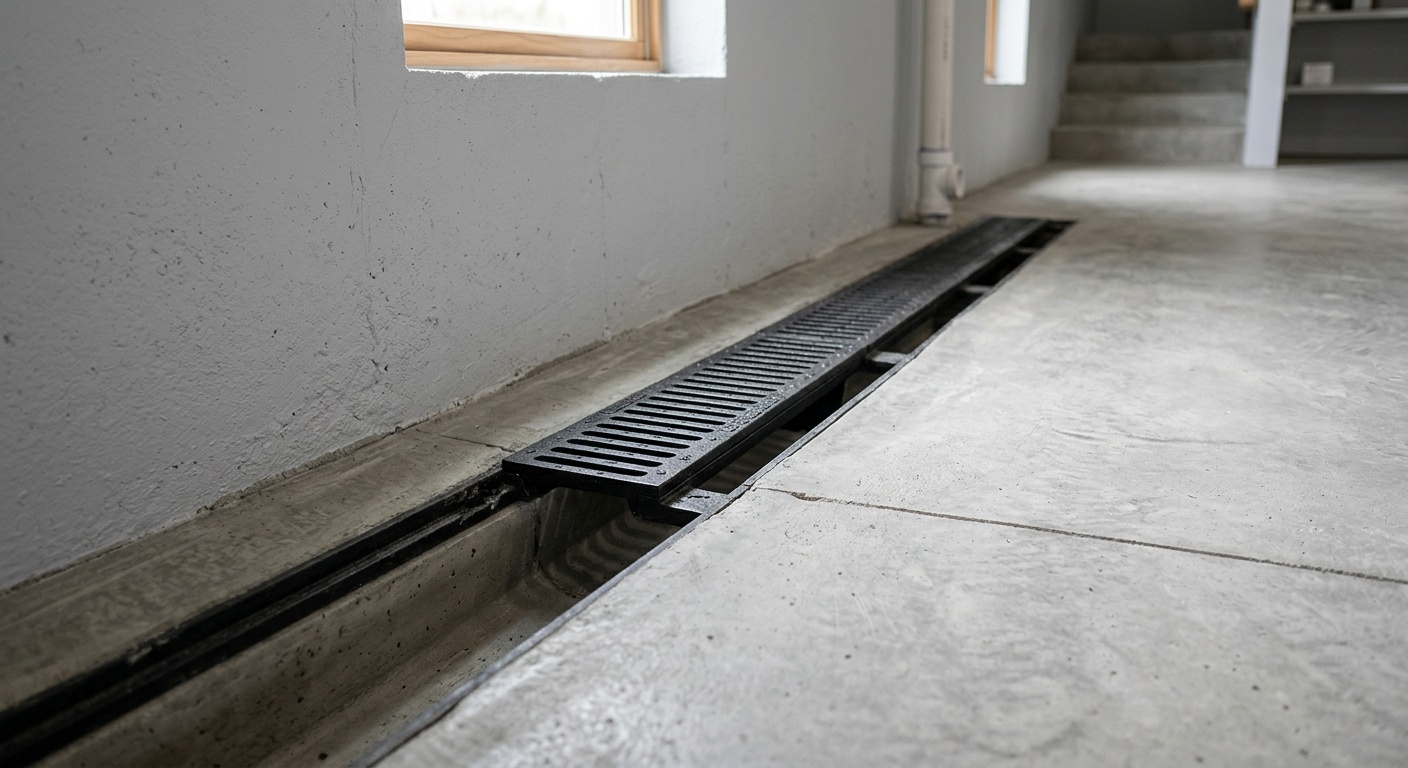
The solution — interior drain tile installation along the affected wall and a sump pump upgrade — cost $4,800. His neighbor, who had ignored similar signs for five years, paid $31,000 for full exterior waterproofing and partial wall reconstruction the following year. Same root problem. Wildly different outcomes.
How Common Are These Basement Problems? The Numbers
Here’s a breakdown of the most frequently reported basement moisture issues among U.S. homeowners in 2026, based on survey data from the Basement Health Association:
Musty Odors / Condensation Issues
Efflorescence or Mineral Staining
Visible Mold or Mildew Growth
Water Seepage / Puddles After Rain
Foundation Cracks Requiring Repair
Source: Basement Health Association Homeowner Survey, Q1 2026. Sample: 4,200 U.S. homeowners with full or partial basements.
What To Do When You Spot the Warning Signs
Recognizing a problem is step one. Responding strategically is step two. Here’s a practical framework:
Immediate DIY Measures (Low-Cost First Response)
- Clean and extend downspouts: Ensure all downspouts discharge at least 6–10 feet from the foundation. This single step resolves a surprising percentage of basement seepage cases.
- Re-grade the soil: The ground around your foundation should slope away from the house at a minimum grade of 6 inches over 10 feet. Many settling issues create negative grading over time.
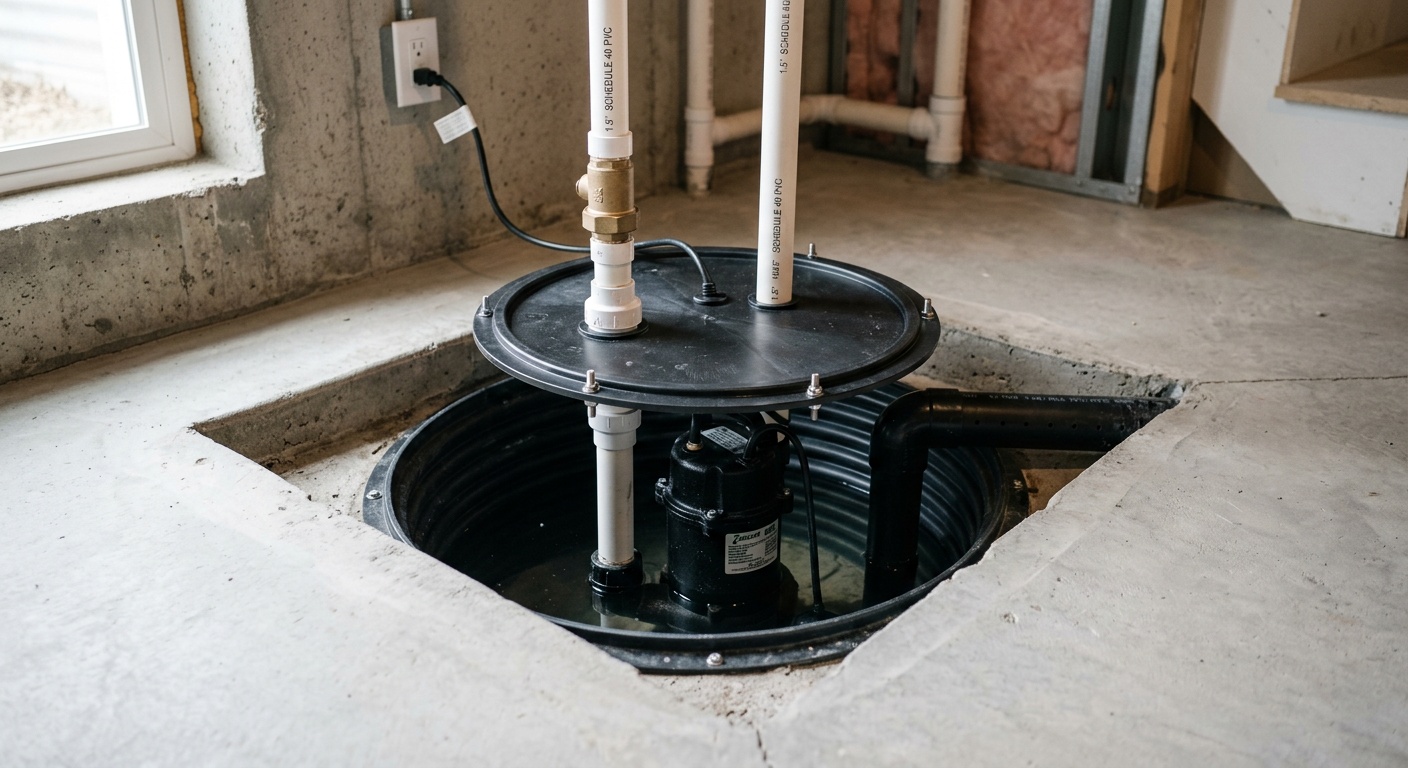
- Install or service your sump pump: Test your sump pump annually. In 2026, battery backup sump pumps with Wi-Fi monitoring alerts have become affordable and standard best practice.
- Run a dehumidifier: As a complementary measure (not a cure), maintaining basement humidity below 50% inhibits mold growth and reduces condensation damage.
- Clear window wells: Debris-filled window wells fill with water and direct it straight into basement windows. Clean them every spring and fall.
When to Call a Professional
Some situations require professional assessment — don’t delay if you encounter:
- Any horizontal cracking in foundation walls
- Visible mold covering more than 10 square feet
- Standing water that returns after cleanup
- Walls that appear to be bowing or tilting
- Foundation cracks wider than a quarter inch
When hiring a waterproofing contractor, get at minimum three quotes, verify licensing and insurance, and be cautious of companies that only offer one solution type. A reputable professional will diagnose the source before recommending an approach. In 2026, look for contractors certified by the Basement Health Association (BHA) or the National Waterproofing and Drainage Association (NWDA).
Frequently Asked Questions
How do I know if my basement moisture problem is from condensation or actual water seepage?
The most reliable DIY test is the plastic sheet tape test described earlier in this article. Tape a 12×12 inch piece of plastic sheeting flat against your basement wall, sealing all four edges completely. After 24–48 hours, check where moisture has accumulated. Moisture on the wall-facing side of the plastic indicates seepage from outside. Moisture on the room-facing side points to interior condensation. You may find both — which means you have a combined problem requiring two different solutions. This simple test will save you from investing in the wrong type of remediation.
Can I use waterproof paint on my basement walls as a permanent fix?
No — and this misconception leads many homeowners to spend money on a solution that ultimately fails. Interior waterproof coatings (like hydraulic cement or elastomeric paints) can reduce minor moisture vapor transmission, but they cannot withstand significant hydrostatic pressure. When water is actively pushing through your foundation walls, these coatings will eventually blister, crack, and peel. They are appropriate only for very minor condensation control in otherwise dry basements. For active seepage problems, you need to either address the exterior water source, install proper interior drainage systems, or both.
How urgent is it to address a small amount of mold I found in my basement?
More urgent than most people think. The EPA guideline recommends that any mold patch larger than 10 square feet be handled by a professional remediation company. For smaller areas, EPA-approved antimicrobial cleaners can be applied with appropriate protective gear (N95 respirator, gloves, eye protection). However — and this is critical — cleaning visible mold without addressing the underlying moisture source will result in regrowth within weeks. The mold you see is often only a fraction of the total colony, as mold grows primarily in concealed spaces like wall cavities, under flooring, and behind insulation. Always treat the moisture source first, then remediate the mold.
Your Moisture Defense Roadmap: Next Steps
You’ve now got the knowledge that most homeowners don’t act on until it’s too late. Here’s how to translate that knowledge into protection — starting today.
- Conduct a full basement inspection this week. Use the warning signs in this guide as your checklist. Bring a flashlight, look at all four walls including the wall-floor joint, examine ceiling joists for mold or moisture staining, and do the sniff test.
- Run the plastic sheet diagnostic test on any wall that shows efflorescence, staining, or dampness. Know whether you’re dealing with condensation, seepage, or both before spending a dollar.
- Address your exterior drainage immediately. Check downspout extensions, clean gutters, and assess soil grading. These free or low-cost fixes prevent the majority of basement water issues.
- Install a humidity monitor. A $20–$40 digital hygrometer in your basement gives you continuous data. If readings regularly exceed 60% humidity, you have a problem that needs attention.
- Book a professional assessment if needed. If you found any of the high or critical warning signs — mold growth, standing water, cracks, or bowing walls — don’t wait. The gap between a $5,000 repair and a $50,000 one is often just a few months of delay.
As climate patterns continue shifting in 2026 and beyond, with the NOAA projecting a continued increase in high-intensity precipitation events across most of North America through 2030, basement resilience isn’t just a maintenance issue — it’s a long-term asset protection strategy. Homes with properly waterproofed, dry basements will hold their value and remain healthier places to live as weather extremes become the new normal.
Your basement is the literal foundation of your home. How confident are you, right now, that it’s protecting everything above it?