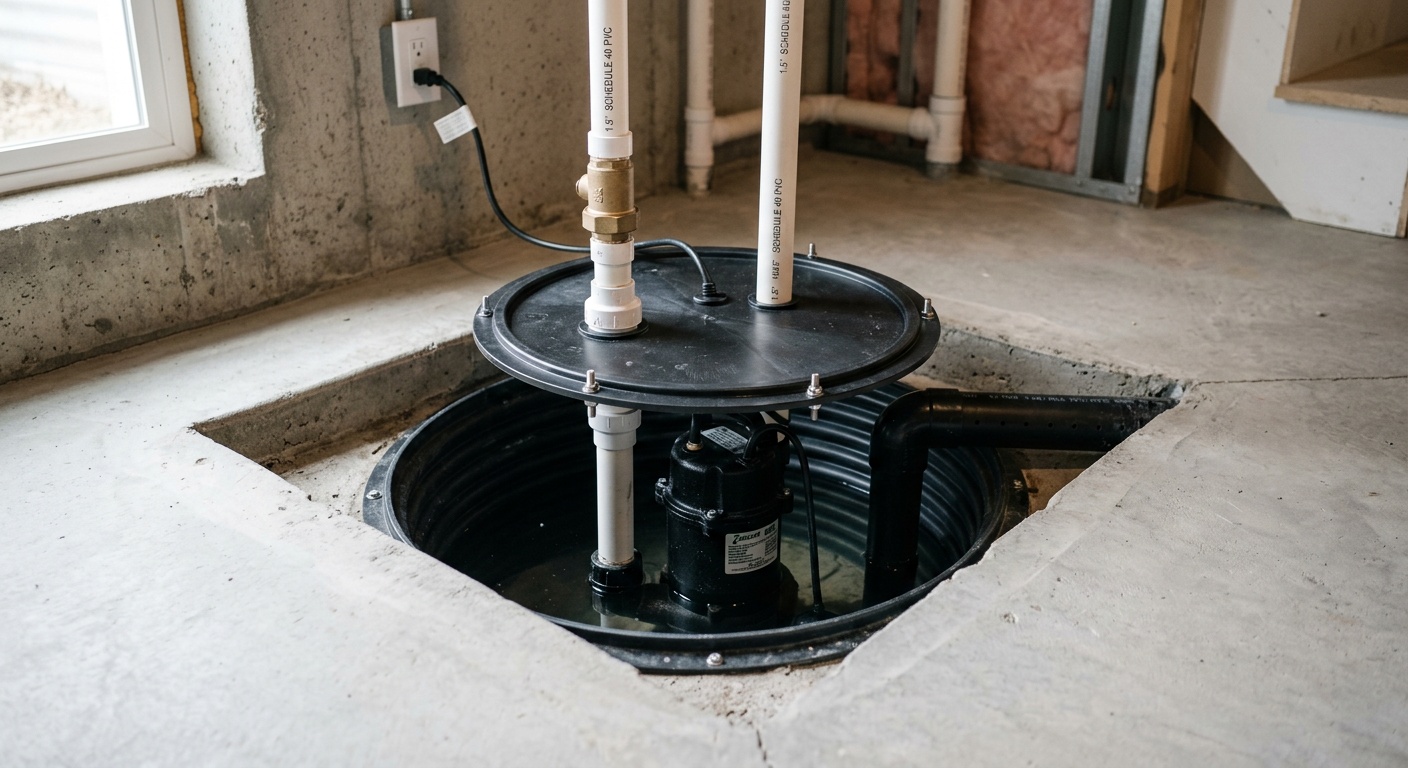
Sump Pump Selection Guide for Wet Basement Homeowners 2026
Reading time: 14 minutes
Water in your basement is not just an inconvenience — it’s a ticking financial time bomb. Whether you’re dealing with seasonal flooding, persistent seepage, or the aftermath of a major storm event, choosing the right sump pump could mean the difference between a dry, usable basement and thousands of dollars in water damage remediation. In 2026, with increasingly unpredictable weather patterns and a booming home improvement market, sump pump technology has evolved dramatically. But so has the confusion around choosing one.
Here’s the straight talk: most homeowners don’t fail because they picked a bad pump — they fail because they picked the wrong pump for their specific situation. This guide is your precision roadmap through the noise.
Table of Contents
- Why Sump Pump Selection Matters More Than Ever in 2026
- Understanding the Main Types of Sump Pumps
- Sizing Your Pump: The Numbers That Actually Matter
- Must-Have Features for 2026 Buyers
- Head-to-Head: Top Sump Pump Categories Compared
- Installation Considerations and Common Pitfalls
- Maintenance, Lifespan, and When to Replace
- Frequently Asked Questions
- Your Dry Basement Action Plan
Why Sump Pump Selection Matters More Than Ever in 2026
The stakes have never been higher. According to the National Flood Insurance Program, water damage claims involving basement flooding averaged $22,000 per incident in 2025 — a 17% jump from just three years prior. Simultaneously, climate data from NOAA confirmed that 2025 broke records for extreme precipitation events across the continental United States, with 38 states experiencing at least one 500-year flood event within a rolling 10-year window.
Meanwhile, the U.S. sump pump market reached a valuation of $1.4 billion in 2025, with projections pointing toward $1.9 billion by 2027. That growth reflects demand — but it also reflects market clutter. There are now more than 200 distinct sump pump models commercially available to residential buyers, ranging from $60 budget units to $900+ premium smart systems.
Quick Scenario: Imagine you’ve just purchased a home in a mid-Atlantic suburb. The inspection revealed a sump pit but no pump. A Category 1 storm is forecast within 30 days. What do you buy? How much horsepower is enough? Do you need a battery backup? These aren’t abstract questions — they’re urgent decisions with real financial consequences.
Let’s break it down with the precision and clarity you deserve.
Understanding the Main Types of Sump Pumps
Submersible Pumps: The Workhorse Choice
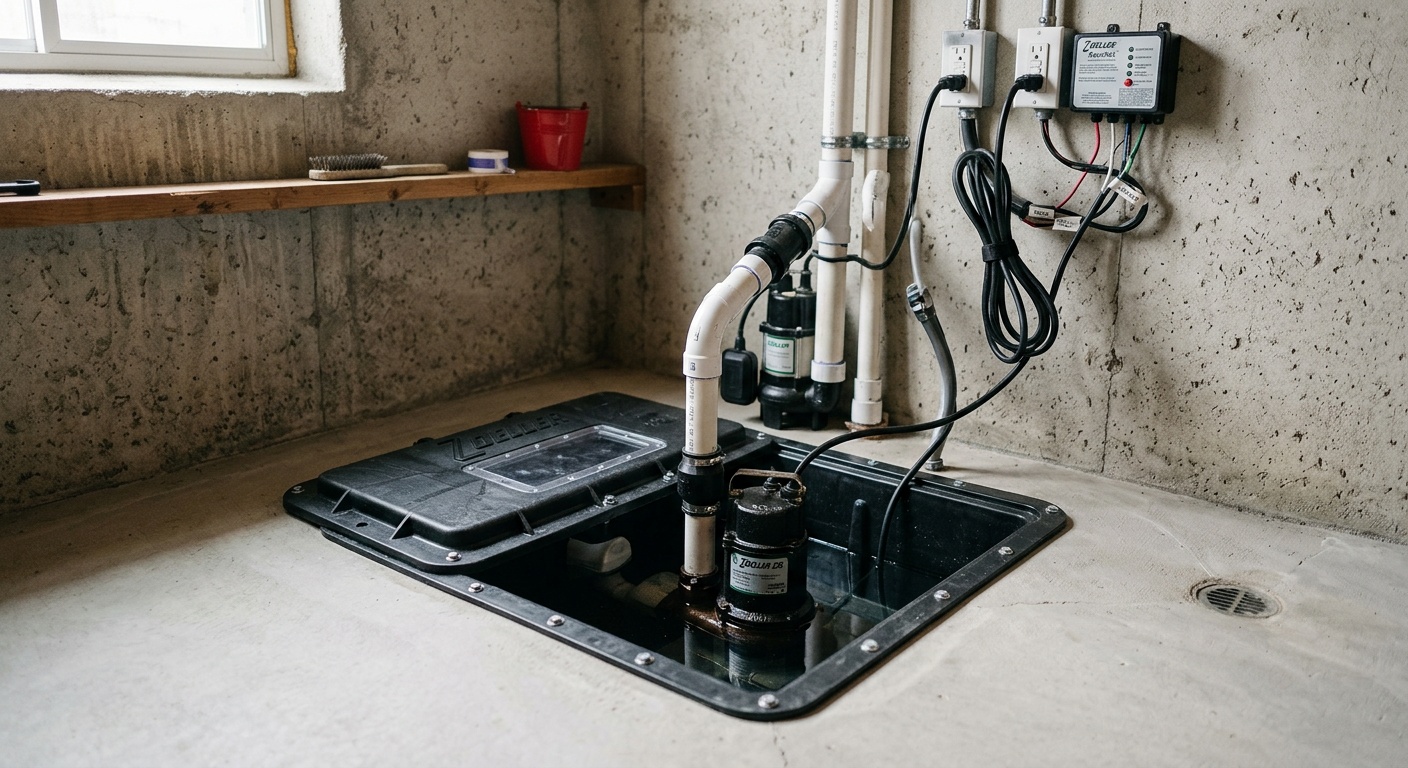
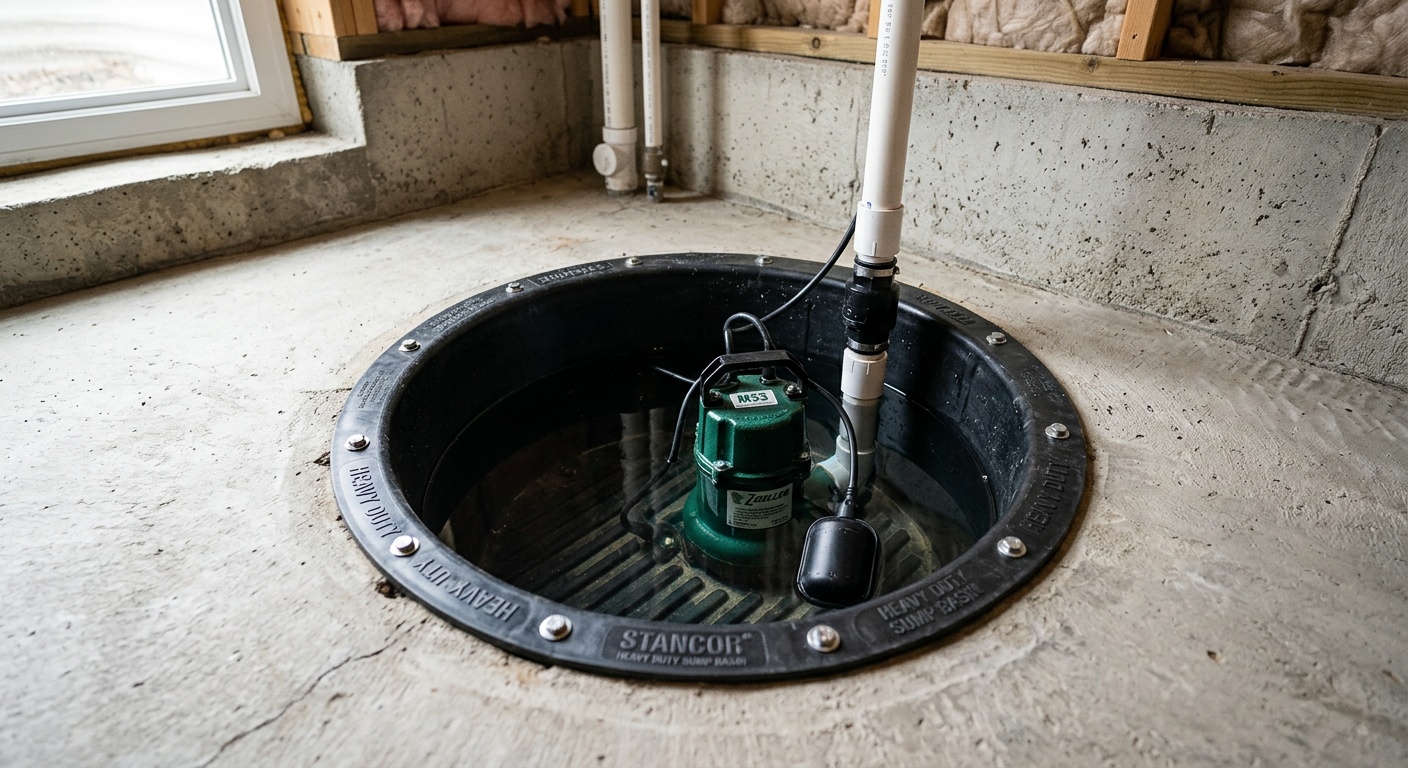
Submersible sump pumps sit entirely within the sump pit, submerged in water. The motor is sealed within a waterproof housing, which offers two key advantages: they operate more quietly than pedestal models, and the surrounding water actually helps cool the motor during extended operation. For most homeowners with moderate-to-heavy water intrusion, a submersible pump is the default recommendation.
Best for: Homes with significant water infiltration, finished basements where noise is a concern, and pits with adequate depth (typically 10–18 inches minimum).
Typical cost range (2026): $150 – $600 for residential models
Lifespan: 7–15 years with proper maintenance
Case Study — The Martinez Family, Chicago IL: After experiencing two basement floods in three years, the Martinez household upgraded from a 1/3 HP pedestal unit to a 3/4 HP submersible pump with a cast-iron impeller in early 2025. During the record April 2025 storms that inundated much of the Chicago metropolitan area, their system ran continuously for 11 hours without failure. Their neighbors — still running the older pedestal model — reported six inches of standing water. The Martinez family’s total upgrade cost: $340 installed.
Pedestal Pumps: When Access Matters More Than Aesthetics
Pedestal sump pumps position the motor on a vertical shaft above the pit, keeping it completely clear of water. While older technology, they remain relevant for shallow pits (under 10 inches deep), homes with narrow pit dimensions, and situations where ease of motor access for maintenance is paramount.
Best for: Shallow sump pits, properties with only light seasonal water intrusion, and homeowners on a tighter budget who handle their own maintenance.
Typical cost range (2026): $75 – $250
Lifespan: 10–25 years (motors are air-cooled and more accessible)
A key tradeoff: pedestal pumps are louder and less aesthetically pleasing, but their motors can last significantly longer when maintained. For a vacation property or utility basement with no finished living space, this may be entirely acceptable.
Battery Backup Sump Pumps: Your Insurance Policy
Here’s the uncomfortable truth most salespeople won’t tell you: the moment you most need your sump pump is the exact moment a power outage is most likely to occur. Severe storms — the very events that flood basements — are the leading cause of residential power failures in the U.S. According to the Edison Electric Institute, 2025 saw over 5.3 million customer-hours of storm-related outages in the top 10 flood-prone metro areas alone.
Battery backup systems either function as standalone secondary pumps or as combination units paired with a primary AC pump. Modern lithium-iron phosphate (LiFePO4) battery systems, now mainstream in 2026, offer 30–50% longer runtime per charge cycle than the lead-acid units that dominated the market five years ago.
Pro Tip: Don’t treat a battery backup as optional if you live in a flood zone, have a finished basement, or store irreplaceable items below grade. The $200–$500 investment is trivial compared to a single flood remediation claim.
Water-Powered Backup Pumps: The No-Battery Alternative
Using municipal water pressure to create suction via a venturi effect, water-powered backup pumps require no electricity and no battery maintenance. They’re elegantly simple. The major caveat: they require adequate municipal water pressure (typically 40+ PSI) and consume roughly one gallon of city water per gallon of sump water ejected — which adds up during extended flooding events and may not be permitted in all municipalities.
Sizing Your Pump: The Numbers That Actually Matter
Pump sizing is where most homeowners make their most expensive mistakes — usually by undersizing, occasionally by over-engineering a system beyond their actual need. Two critical metrics define proper sizing: horsepower (HP) and gallons per hour (GPH) at your specific head pressure.
Calculating Your Required Flow Rate
Head pressure refers to the total vertical distance the pump must push water upward — from the pit floor to the discharge point outside your home. Most residential applications involve 8–15 feet of vertical lift plus additional friction losses from horizontal pipe runs and bends. The higher your total head, the lower the effective flow rate from any given pump.
A practical sizing framework for 2026 conditions:
- Light duty (under 1,000 sq ft, minimal intrusion): 1/3 HP submersible, rated 2,000–2,500 GPH at 10 ft head
- Moderate duty (1,000–2,000 sq ft, seasonal flooding): 1/2 HP submersible, rated 2,800–3,500 GPH at 10 ft head
- Heavy duty (over 2,000 sq ft, high water table, frequent operation): 3/4 HP or 1 HP submersible, rated 4,000–5,500+ GPH at 10 ft head
- Extreme/commercial-grade residential: Dual pump systems with automatic switchover
Important note: Always size for your worst-case scenario, not your average year. Climate volatility in 2026 means that a “100-year flood event” in your region may now realistically occur once every 15–20 years.
Case Study — The Hendersons, Portland OR: The Henderson family installed a 1/3 HP pump in 2022 based on their modest 1,200 sq ft basement footprint. It worked fine until December 2024, when an atmospheric river event dumped 4 inches of rain in 6 hours. Their pump couldn’t keep pace — running continuously, it moved approximately 1,800 GPH but the infiltration rate was estimated at 2,400 GPH. Result: 4 inches of water, $18,500 in damage. In 2025 they replaced it with a 3/4 HP unit. Lesson: size for extreme events, not average ones.
Must-Have Features for 2026 Buyers
The sump pump market in 2026 offers feature sets that simply didn’t exist five years ago. Here’s what separates a genuinely capable modern system from an overpriced commodity item with a glossy marketing sheet.
Smart Connectivity and Remote Monitoring
Wi-Fi enabled sump pumps with smartphone app integration are now standard in the mid-range and premium categories. The best systems offer:
- Real-time pump cycle notifications
- Water level alerts sent directly to your phone
- Runtime analytics and performance trending
- Integration with smart home platforms (Google Home, Amazon Alexa, Apple HomeKit)
- Automatic alerts to insurance carriers in some newer programs
Pro Tip: Several homeowner’s insurance providers in 2026 now offer premium discounts of 5–12% for homes with monitored sump systems. Check with your carrier before purchasing — the ROI math on smart features can be surprisingly favorable.
Construction Quality Indicators
Not all pumps are built equal. When evaluating build quality, prioritize:
- Cast iron vs. thermoplastic housing: Cast iron dissipates heat more effectively and withstands mechanical stress better over time. Thermoplastic is lighter and corrosion-resistant but can crack under sustained high-temperature operation.
- Impeller material: Cast iron impellers outperform plastic equivalents significantly under continuous load conditions.
- Seal quality: Double mechanical seals offer substantially better protection against moisture ingress to the motor than single-seal designs.
- Float switch type: Vertical float switches are more reliable in narrow pits; tethered floats are better in wider pits but prone to tangling. Electronic pressure-sensing switches eliminate mechanical float failure entirely — worth the premium.
Discharge Pipe Sizing and Check Valve Compatibility
Don’t overlook the plumbing side of the equation. Most residential sump pumps use 1.25-inch or 1.5-inch discharge connections. Always install a check valve on the discharge line to prevent backflow when the pump cycles off. In 2026, spring-loaded silent check valves have largely replaced the clunking traditional flapper-style valves — they’re worth the upgrade for noise reduction alone.
Head-to-Head: Top Sump Pump Categories Compared
| Category | Avg. Cost (2026) | Best Use Case | Lifespan | Smart Features |
|---|---|---|---|---|
| Budget Submersible (1/3 HP) | $80–$160 | Light seasonal use | 5–8 years | None |
| Mid-Range Submersible (1/2 HP) | $180–$350 | Most residential basements | 8–12 years | Some models |
| Heavy-Duty Submersible (3/4–1 HP) | $350–$650 | High water table, large basements | 10–15 years | Most models |
| Battery Backup Combo System | $400–$900 | Storm-prone regions, finished basements | 7–12 years (primary) | Yes, typically |
| Dual Primary Pump System | $800–$1,800 installed | Extreme flood risk, no tolerance for failure | 10–20 years | Yes, full suite |
Pump Performance Visualization: GPH Capacity at 10 Ft Head
Flow Rate Comparison (GPH at 10 ft head)
~2,000 GPH
~3,200 GPH
~4,400 GPH
~5,500 GPH
~1,200–1,500 GPH
Note: DC battery backup rates are intentionally lower — they function as emergency failsafe, not primary duty systems.
Installation Considerations and Common Pitfalls
Even the best pump underperforms in a poorly configured installation. Before your new pump ever activates, the groundwork needs to be right.
Sump Pit Requirements and Sizing
The sump pit (also called a sump basin or crock) is the underground reservoir your pump sits in. Standard residential pits measure 18 inches in diameter and 24 inches in depth — sufficient for most submersible pumps. However, if you’re upgrading to a larger pump or adding a backup unit, your existing pit may need to be enlarged. Undersized pits lead to rapid pump cycling, which dramatically accelerates motor wear and shortens pump life.
Pit liner material matters too: Unlined pits allow soil infiltration and debris accumulation. A proper plastic or fiberglass perforated liner with a sealed lid (required by many building codes in 2026) prevents this while also reducing radon gas and humidity migration into the basement air.
Discharge Line Best Practices
- Discharge water at least 10 feet from your foundation — ideally 20 feet in clay-heavy soils with poor drainage
- Slope the discharge line away from the house at a minimum 1/4 inch per foot gradient
- Install a freeze guard on exterior discharge outlets — a frozen outlet in a winter storm is a catastrophic failure point
- Never discharge into a sanitary sewer in jurisdictions where this is prohibited (most U.S. municipalities as of 2026)
- Consider a buried discharge line with a pop-up emitter to prevent ice obstruction in northern climates
Common Pitfall Alert: Many homeowners discharge directly onto a concrete splash pad adjacent to the foundation. During heavy rain events, this water frequently drains right back toward the house — creating a self-defeating cycle where your pump is actually contributing to its own workload.
Maintenance, Lifespan, and When to Replace
A sump pump is arguably the most neglected mechanical system in most homes. Unlike an HVAC unit that announces its distress with reduced comfort, a failing sump pump is silent until the moment it fails — which is always during a flood event.
Annual Maintenance Checklist
- Test the pump manually: Pour 5 gallons of water into the pit to verify float activation and proper pump operation. Do this every spring and fall.
- Inspect the float switch: Manually lift the float (or test electronic sensors per manufacturer instructions) to confirm it triggers the pump reliably.
- Clean the inlet screen: Remove debris, silt, and gravel from the pump intake screen — clogged inlets reduce flow dramatically.
- Inspect discharge lines: Walk the full discharge path and verify no obstructions, freezing damage, or joint separations have occurred.
- Check the check valve: Listen for excessive backflow thump when the pump shuts off — this may indicate a worn valve needing replacement.
- Test battery backup runtime: Disconnect AC power and run the backup pump through a timed test cycle. Replace battery if performance has degraded below 70% of rated capacity.
Signs Your Pump Needs Immediate Replacement
Don’t wait for failure to replace. Replace proactively if you observe:
- Unusual vibration or grinding noises during operation
- Pump runs continuously without clearing the pit
- Motor runs but impeller doesn’t move water (worn impeller)
- Frequent short-cycling (activates and deactivates every few seconds)
- Visible rust or corrosion on pump housing
- Pump is 10+ years old, regardless of apparent condition
Industry guidance (2026): The Plumbing-Heating-Cooling Contractors Association recommends replacing residential sump pumps on a 7–10 year cycle regardless of observed symptoms, particularly in high-water-table regions. Proactive replacement costs $200–$600; reactive replacement during an active flood event — including emergency labor, water extraction, and potential structural damage — averages $4,800–$22,000.
Frequently Asked Questions
How do I know what horsepower sump pump I actually need?
Start with your basement square footage and your local soil drainage characteristics. For most homes between 1,000–2,500 sq ft with average water intrusion, a 1/2 HP submersible represents the practical sweet spot in 2026. If your basement has experienced visible water intrusion more than twice in the past five years, or if you’re in a FEMA-designated Special Flood Hazard Area, step up to 3/4 HP minimum. Always check the GPH rating at your specific head height — not the manufacturer’s maximum-rated flow, which is measured at zero head pressure and is essentially a meaningless benchmark for real-world use.
Is a battery backup sump pump really necessary, or is it just upselling?
It depends on three factors: your flood risk level, whether you have a finished basement, and your power reliability. If you check even one of these boxes — you live in a flood-prone area, your basement has flooring or furnishings worth protecting, or your neighborhood experiences at least one outage per year during storms — a battery backup is not optional. It’s insurance with a predictable, one-time cost. The LiFePO4 battery systems now standard in 2026 last 5–7 years before needing replacement, and the peace of mind during a Category 2 storm while you’re traveling is genuinely invaluable. This isn’t upselling — it’s risk management.
Can I install a sump pump myself, or should I hire a professional?
A basic pump swap — replacing an existing pump with a same-size unit in an existing pit — is a legitimate DIY project for a handy homeowner comfortable with basic plumbing. The electrical connection should already be in place (a dedicated 20-amp GFCI outlet near the pit is standard in properly permitted basements). However, if your project involves digging or enlarging a sump pit, installing a new discharge line through your foundation, or integrating a backup system, professional installation is strongly recommended. In 2026, licensed plumbers in most U.S. markets charge $150–$350 for a standard pump swap including basic commissioning — money well spent to ensure proper check valve placement, correct discharge slope, and code-compliant installation that won’t void your homeowner’s insurance claim during a future flood event.
Your Dry Basement Action Plan: Next Steps That Matter
You now have more clarity than 90% of homeowners who walk into a hardware store and grab whatever box has the most aggressive marketing on the front. Let’s convert that knowledge into a concrete action sequence.
Your 5-Step Implementation Roadmap:
- Audit your current situation this week: Locate your sump pit, identify what pump (if any) is installed, note its age and horsepower rating, and physically test it with a bucket of water. Document what you find.
- Assess your risk profile: Check FEMA’s 2026 updated flood maps for your address. Note your basement square footage and whether you’ve experienced intrusion in the past 5 years. This determines whether you’re a 1/3 HP buyer or a 3/4 HP buyer.
- Decide on your backup strategy before buying your primary pump: Choosing a compatible combo system upfront is almost always less expensive than retrofitting backup capability later. If power outages during storms are a reality in your area, select a primary pump with proven battery backup compatibility.
- Prioritize build quality over brand name: Cast iron housing, stainless steel shaft, electronic float switch, and double mechanical seals are non-negotiable for a pump expected to protect a finished basement. These specifications matter more than the name on the label.
- Schedule an annual maintenance appointment in your calendar right now: Set a recurring reminder for April 1st each year. Test the pump, clean the inlet, check the discharge line, verify backup battery capacity. This single habit prevents 80% of pump-related basement floods.
The broader implication here is significant: as climate volatility continues to intensify through the late 2020s, residential water management infrastructure — your sump pump included — is transitioning from a passive convenience to an active, monitored system that integrates with smart home technology, insurance products, and community flood response frameworks.
Your basement is worth protecting. Your family’s peace of mind is worth the investment. So here’s the question to sit with: If your sump pump failed tonight during a major storm, how confident are you that your current setup could handle it — and what would it actually cost you if it couldn’t?
This guide reflects market conditions, product specifications, and regulatory standards current as of 2026. Product availability, pricing, and building codes vary by region. Always consult a licensed plumbing contractor for site-specific installation guidance.