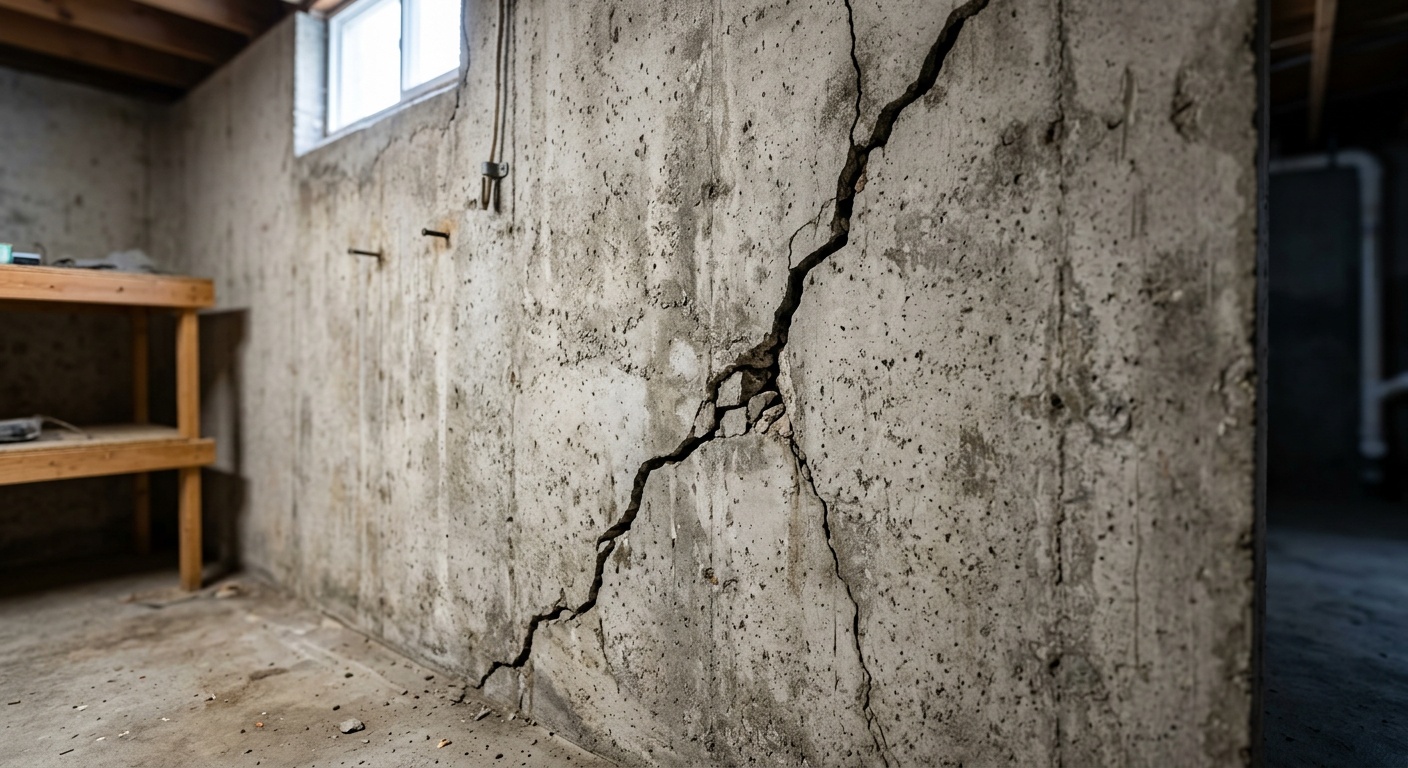
How Humidity and Poor Drainage Destroy Your Home’s Foundation Over Time
Reading time: 14 minutes
There’s a slow, invisible disaster unfolding beneath millions of homes right now — and most homeowners have absolutely no idea. Unlike a burst pipe or a collapsing roof, the damage that humidity and poor drainage inflict on your foundation happens quietly, gradually, and with devastating long-term consequences. By the time visible cracks appear in your walls or your doors start jamming in their frames, the underlying problem may have been building for years.
Think about it this way: your home’s foundation is the silent backbone of everything you own. It bears the weight of your walls, your roof, your memories. And yet, it sits in direct contact with the earth — earth that expands when wet, contracts when dry, and shifts when saturated. If water management around your home is poor, that earth becomes an adversary working against you 24 hours a day, every single season.
In 2026, foundation repair costs in the United States have climbed to an average of $4,800 to $12,500 per project, with severe cases requiring pier installation or full basement waterproofing systems running well over $30,000. The National Association of Home Builders reports that water-related foundation damage now accounts for approximately 68% of all structural repair claims in residential properties. These aren’t abstract statistics — they represent real homeowners who dismissed early warning signs.
This article is your strategic guide to understanding exactly how moisture destroys foundations, recognizing the warning signs before they escalate, and taking concrete action to protect one of your most valuable investments.
Table of Contents
- The Science of Moisture and Soil Movement
- How Poor Drainage Accelerates Foundation Failure
- Foundation Types and Their Vulnerability to Moisture
- Warning Signs You Cannot Afford to Ignore
- Real-World Case Studies: When Moisture Wins
- Foundation Damage Risk by Moisture Factor
- Drainage Solutions Comparison Table
- Practical Solutions to Protect Your Foundation
- Frequently Asked Questions
- Your Foundation Defense Roadmap: Next Steps
The Science of Moisture and Soil Movement
To truly understand why humidity and poor drainage are so destructive, you need to appreciate what’s happening underground. Soil is not a static material. It’s a dynamic, living medium that responds dramatically to changes in moisture content — and those responses can exert enormous pressure on anything buried within it, including your foundation.
Expansive Soils: The Hidden Pressure Cooker
Not all soils behave the same way. Clay-rich soils, which are common across large portions of the American South, Midwest, and parts of the Pacific Coast, are particularly susceptible to what engineers call volumetric change. When clay absorbs water, it swells. When it dries out, it shrinks. This cycle of expansion and contraction creates what’s known as differential movement — meaning different parts of your foundation experience different forces at different times.
Consider the numbers: certain expansive clay soils can increase in volume by up to 10–15% when fully saturated. If you have a concrete slab foundation sitting on clay soil, and one corner of that slab is exposed to persistent moisture while another remains dry, the swelling on the wet side pushes upward while the dry side stays put. The result? Cracking, heaving, and structural compromise — all driven purely by water.
Humidity plays an equally insidious role. High ambient humidity, especially in enclosed crawl spaces and basements, keeps soil moisture levels elevated even without direct rainfall. In regions like the Gulf Coast, the Southeast, and parts of the Pacific Northwest, relative humidity regularly exceeds 70–80% for extended periods. At these levels, moisture migrates from the air into the surrounding soil and concrete itself, initiating a cycle of degradation that’s difficult to reverse once established.
Freeze-Thaw Cycles and Foundation Stress
In colder climates, the destructive equation becomes even more complex. When water infiltrates the soil around and beneath your foundation and then freezes, it expands by approximately 9% in volume. This process, known as frost heave, can lift entire sections of a foundation with tremendous force — forces that concrete and masonry simply cannot resist indefinitely.
In northern states and Canada, foundations that experience repeated freeze-thaw cycles without proper drainage management typically show accelerated deterioration compared to similar foundations in more temperate zones. A 2025 study by the American Society of Civil Engineers found that foundations in high-moisture, freeze-prone zones deteriorate structurally at a rate 2.3 times faster than those in well-drained, moderate climates. The compounding effect of humidity, poor drainage, and freezing creates a triple threat that can shorten a foundation’s effective lifespan by decades.
How Poor Drainage Accelerates Foundation Failure
Water is patient. It will always find the path of least resistance, and if that path leads toward your foundation, you have a problem. Poor drainage is essentially a system failure — a combination of grading errors, inadequate gutters, blocked or missing drainage infrastructure, and landscaping choices that collectively direct water toward your home rather than away from it.
The most common drainage failures include:
- Negative grading: The soil around your home slopes toward the foundation rather than away from it, channeling rainwater directly to the base of your walls.
- Clogged or undersized gutters: Gutters that overflow send cascading water down the side of your home, pooling at the foundation.
- Downspouts terminating too close to the foundation: Downspouts that discharge within two feet of the home dump concentrated water loads directly into the soil surrounding your footings.
- Hardscape that channels water inward: Patios, driveways, and walkways improperly sloped toward the home act as funnels during rain events.
- Absent or failing French drains: Without subsurface drainage systems, hydrostatic pressure builds against basement walls and slabs.
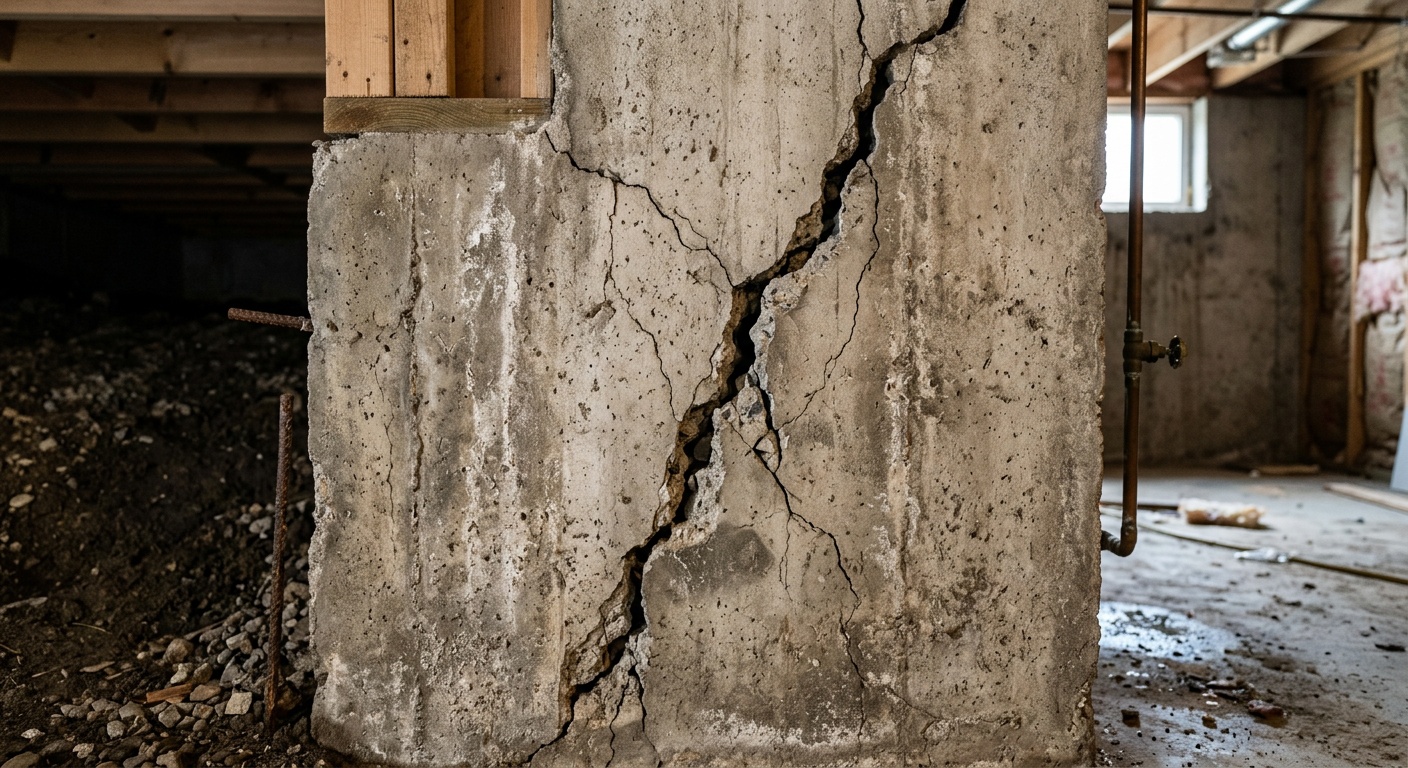
Hydrostatic pressure deserves special attention. When water saturates the soil surrounding a basement or crawl space, it creates lateral pressure against foundation walls. Concrete block walls, in particular, are highly vulnerable — they can bow inward under sustained hydrostatic pressure, and once that bowing begins, structural failure accelerates rapidly. Engineers note that a bowing wall that deflects more than 2 inches inward typically requires full replacement rather than repair.
Foundation Types and Their Vulnerability to Moisture
Not every foundation responds to moisture the same way. Understanding your foundation type is the first step toward targeted protection.
Slab-on-Grade Foundations are poured concrete slabs that sit directly on the ground. They’re common in warmer southern states and in areas where basements are impractical. Their primary moisture vulnerability is from below — if the soil beneath the slab becomes saturated and shifts, the slab can crack, settle, or heave. Moisture also migrates upward through concrete via capillary action, creating damp floors and promoting mold growth.
Basement Foundations offer living or storage space below grade, but they present the greatest moisture exposure risk. All four below-grade walls are in contact with soil, meaning hydrostatic pressure, groundwater infiltration, and humidity are constant concerns. Basement waterproofing failures are among the most expensive foundation repairs homeowners face.
Crawl Space Foundations elevate the home above grade, providing access to plumbing and mechanical systems. However, vented crawl spaces — once considered the standard — are now understood to be moisture traps in humid climates. Warm, moist exterior air enters the vents, meets cool surfaces inside, and condenses — creating ideal conditions for mold, wood rot, and soil saturation.
Pier and Beam Foundations use concrete piers or wooden posts to support the home above grade. While they handle moisture somewhat better than slab foundations, wooden components are highly susceptible to rot when humidity is persistently high, and pier settlement from soil erosion is a common issue.
Warning Signs You Cannot Afford to Ignore
Here’s the critical challenge with foundation damage: by the time it’s obvious, it’s already significant. But there are earlier, subtler signals that observant homeowners can catch. Train yourself to look for these red flags:
- Stair-step cracks in brick or block exterior walls — these follow mortar joints and indicate differential settlement.
- Horizontal cracks in basement walls — these are serious warning signs of hydrostatic pressure and potential wall failure.
- Diagonal cracks radiating from corners of windows and doors — classic signs of foundation movement.
- Doors and windows that stick, won’t close properly, or have developed gaps — the frame is racking as the foundation shifts.
- Sloping or uneven floors — measurable with a simple marble or level tool.
- Efflorescence on basement walls — white, chalky mineral deposits left behind as water passes through concrete.
- Persistent musty odors — often the first sign of moisture infiltration and mold in crawl spaces or basements.
- Separation between walls and ceiling or floor — the structure is moving in ways it shouldn’t.
Pro Tip: Walk your home’s perimeter after a heavy rain. If you see pooling water against the foundation or downspout water that isn’t flowing away from the home, you’ve identified a drainage problem that needs immediate attention — before it becomes a foundation problem.
Real-World Case Studies: When Moisture Wins
Case Study 1: The Houston Slab Nightmare
Houston, Texas sits on some of the most expansive clay soil in North America — the infamous Houston Black Clay. In 2024, a family in the Meyerland neighborhood discovered that their 1980s-era slab foundation had experienced 4.5 inches of differential movement after two consecutive wet seasons following a major drought. The drought had caused extreme soil shrinkage, pulling away from the foundation. When heavy rains returned, the soil expanded unevenly — the areas that had pulled away most dramatically absorbed more water and swelled more aggressively.
The result: tile floors cracked throughout the home, doors throughout the first floor wouldn’t close, and structural engineers found cracks in the slab itself up to ½ inch wide. The repair bill? $47,000 — including mudjacking, pier installation, and interior floor replacement. The homeowners had noticed sloping floors and sticking doors two years earlier but assumed it was normal settling. It wasn’t.
Case Study 2: A New England Basement Disaster
In 2025, a homeowner in central Connecticut discovered that their 1960s poured concrete basement had developed bowing walls — a 3-inch inward deflection on the north-facing wall, which consistently received snowmelt runoff from a neighbor’s elevated property. The downspout on that side of the home had been disconnected for over a year, and the grading had settled inward toward the foundation over the decade since the last landscaping project.
The combination of snowmelt, soil saturation, and freeze-thaw cycling had built up enough hydrostatic pressure to visibly bow the wall. Engineers determined the wall was beyond repair and required full reconstruction — demolishing that section of the basement, installing a new poured concrete wall with waterproofing membrane and drainage board, and regrading the entire north side of the property. Total cost: $62,000. The drainage improvements themselves — regrading and a French drain — would have cost approximately $3,500 had they been done proactively.
Foundation Damage Risk by Moisture Factor
The following chart illustrates relative risk contribution of different moisture-related factors to foundation damage, based on 2025-2026 structural engineering assessments:
Drainage Solutions Comparison Table
Not all drainage solutions are created equal. Here’s how the most common approaches stack up across key decision-making criteria:
| Solution | Average Cost (2026) | Effectiveness | Maintenance Required | Best For |
|---|---|---|---|---|
| Regrading / Landscaping | $800 – $3,000 | High | Low (every 5–10 yrs) | All foundation types; first line of defense |
| French Drain System | $2,000 – $8,000 | Very High | Moderate (annual flush) | High water table, severe saturation areas |
| Gutter/Downspout Extension | $150 – $600 | Moderate–High | Low (seasonal cleaning) | Concentrated roof runoff at foundation |
| Interior Drainage + Sump Pump | $4,500 – $12,000 | Very High | High (pump maintenance) | Basement flooding, hydrostatic pressure |
| Crawl Space Encapsulation | $5,000 – $15,000 | High | Low (periodic inspection) | Humid climates, vented crawl spaces |
Practical Solutions to Protect Your Foundation
Understanding the problem is half the battle. The other half is taking smart, sequenced action. Here’s how to approach foundation moisture protection strategically — whether you’re dealing with an active issue or implementing preventive measures.
Start With the Exterior: Control Water Before It Reaches the Foundation
The most cost-effective moisture management always happens as far from your foundation as possible. Begin with a thorough exterior assessment:
- Check and correct your grading. The soil around your foundation should slope away from the home at a rate of at least 6 inches drop per 10 horizontal feet for the first 10 feet. This is the single most impactful and affordable step most homeowners can take. Add compacted fill soil and tamp it firmly — do not use mulch or loose soil, which settles and loses slope quickly.
- Inspect and maintain gutters obsessively. In 2026, seamless aluminum gutters with leaf guards represent the best balance of performance and maintenance cost. Clean them at minimum twice yearly — spring and fall. Ensure downspouts extend at least 4–6 feet from the foundation, and consider underground downspout extensions that carry water to a daylight outlet or dry well.
- Evaluate your landscaping choices. Dense plantings directly against the foundation hold moisture and can damage waterproofing membranes with root growth. Maintain a 12–18 inch clear zone around the foundation perimeter. Choose drought-tolerant or native plants with non-invasive root systems for the transition zone.
- Install a French drain where needed. If you have persistent pooling despite grading corrections, a French drain — a perforated pipe in a gravel-filled trench that captures and redirects subsurface water — may be necessary. Hire a licensed landscaping contractor who understands drainage engineering, not just aesthetics.
Address Below-Grade Moisture: Basements and Crawl Spaces
If your home has a basement or crawl space, interior moisture management requires dedicated attention:
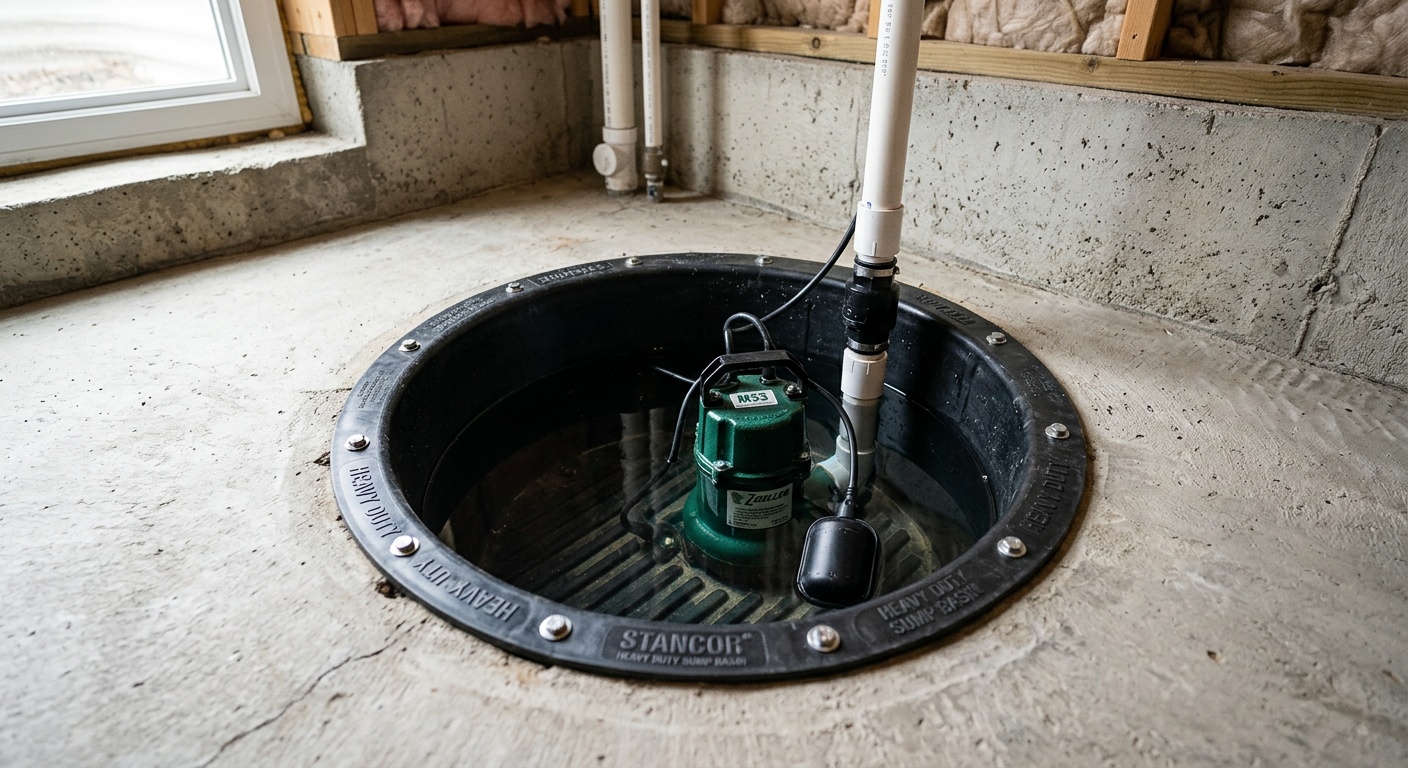
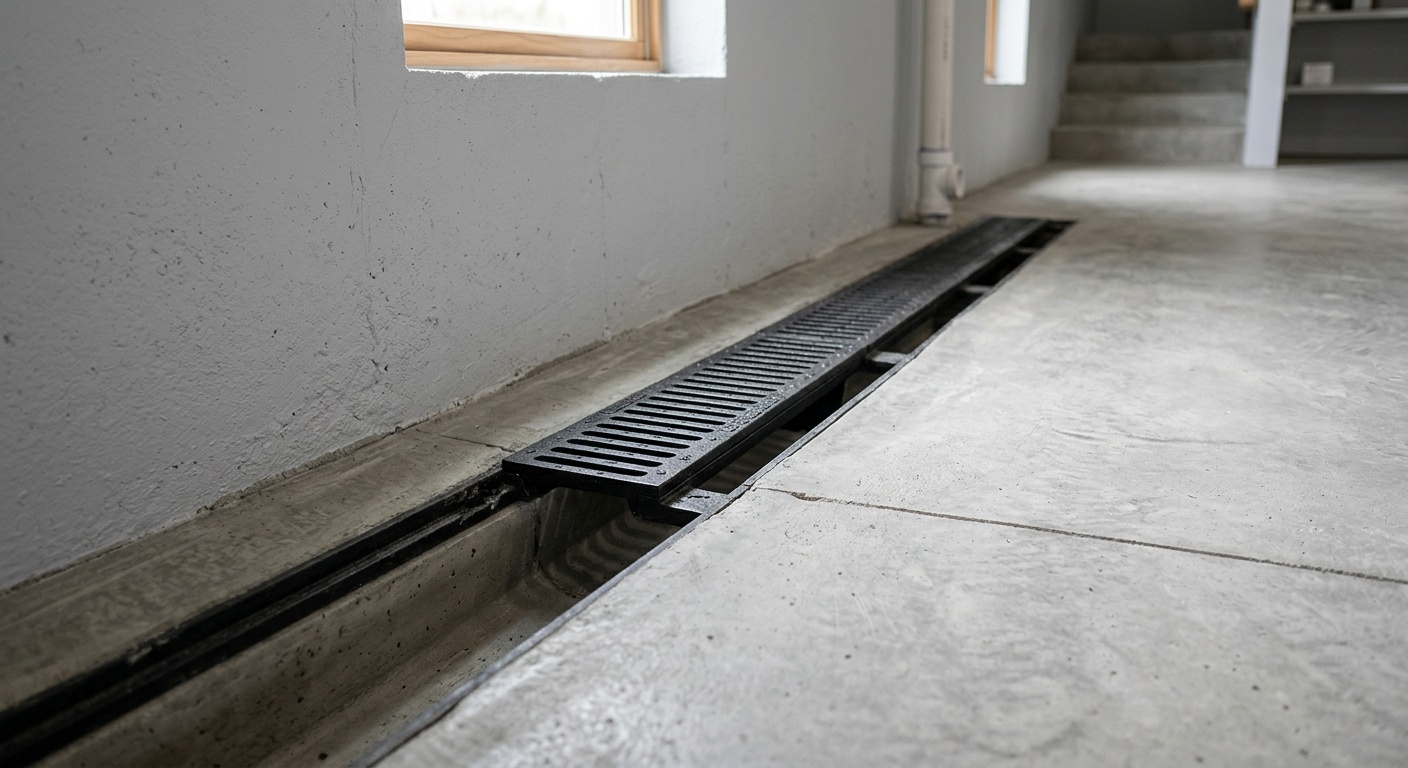
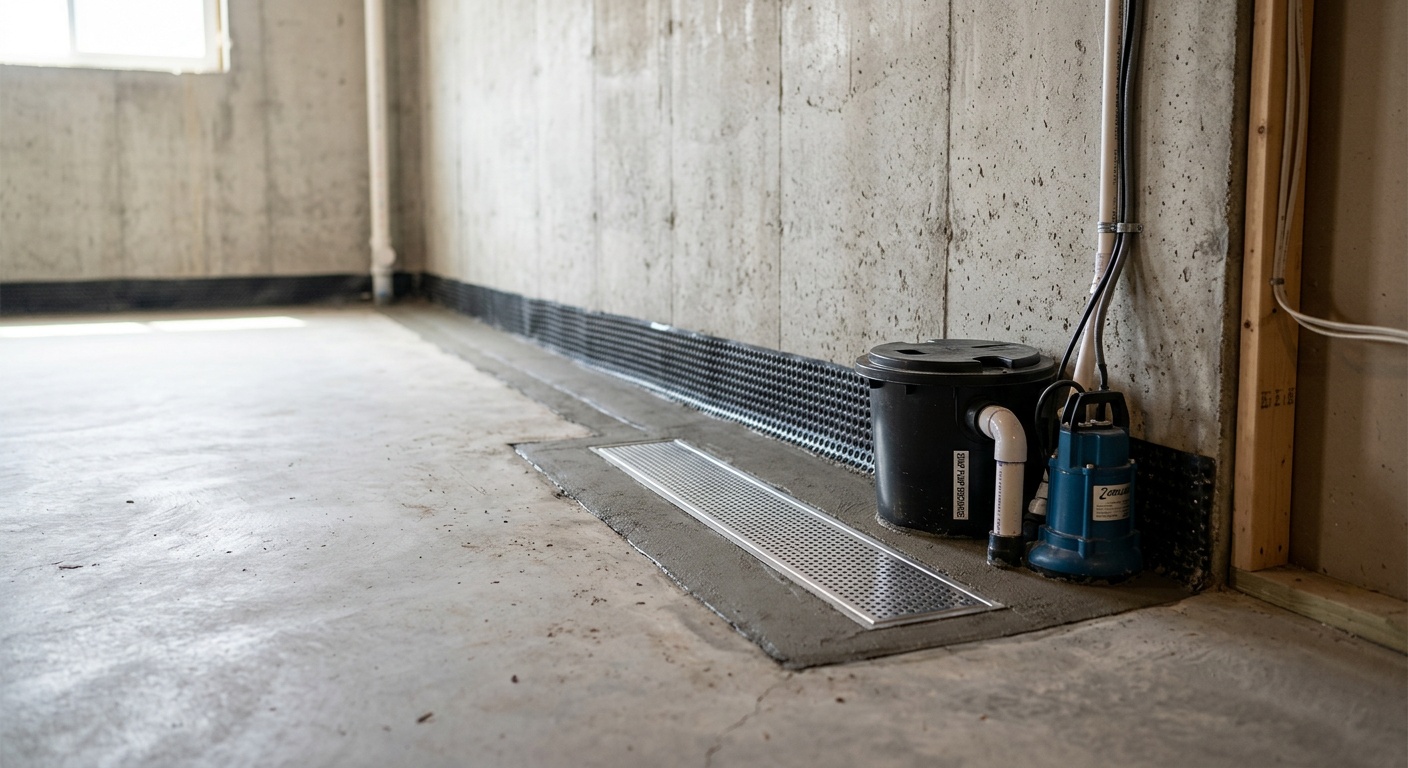
For basements: Exterior waterproofing membranes applied to foundation walls during construction are ideal, but retrofitting interior drainage systems with a sump pump is the most practical solution for existing homes experiencing water infiltration. Interior drainage channels capture water that seeps through walls and direct it to a sump pit, where a pump evacuates it away from the home. Pair this with a battery-backup sump pump — a standard electric pump is useless during the power outages that often accompany the storms causing your flooding.
For crawl spaces: The building science consensus in 2026 is clear — vented crawl spaces in humid climates are a liability. Converting to a sealed, conditioned crawl space with a continuous vapor barrier (minimum 20-mil reinforced polyethylene), insulated walls, and a small dehumidifier dramatically reduces moisture, mold risk, and wood rot. Homes in the southeastern United States that have undergone crawl space encapsulation report measurable improvements in indoor air quality and energy efficiency alongside structural benefits.
Humidity control matters indoors too. If your basement or crawl space humidity regularly exceeds 60%, you are accelerating deterioration of wood framing, floor joists, and structural members. Target indoor relative humidity between 40–55%. A quality whole-home or zone dehumidifier with automatic drainage is a worthwhile investment in humid climates.
Know When to Call a Structural Engineer
Some situations demand professional evaluation rather than DIY remediation. Call a licensed structural engineer — not a foundation repair contractor, who has a financial interest in recommending repairs — when you observe:
- Horizontal cracks in basement walls of any width
- Cracks wider than ¼ inch anywhere in the foundation
- Visible wall bowing or leaning
- Floors with a slope exceeding 1 inch per 8 feet
- Multiple diagonal cracks occurring simultaneously
A structural engineer’s assessment typically costs $300–$700 and provides an objective, liability-driven evaluation. That modest investment can save you tens of thousands by distinguishing cosmetic issues from structural emergencies — and by ensuring that any repair work actually addresses the root cause rather than masking symptoms.
Frequently Asked Questions
How do I know if the cracks in my foundation are serious or just cosmetic?
The orientation, width, and pattern of a crack are the key diagnostic factors. Hairline cracks less than 1/8 inch wide that run vertically in poured concrete are typically shrinkage cracks that occur as concrete cures — generally cosmetic. Cracks wider than ¼ inch, horizontal cracks in block or poured walls, stair-step cracks following mortar joints in brick or block, and any crack accompanied by water infiltration or wall displacement warrant immediate professional evaluation. When in doubt, consult a structural engineer rather than a foundation repair company for an unbiased assessment.
Can I fix drainage problems myself, or do I always need a contractor?
Many effective drainage improvements are genuinely DIY-accessible. Extending downspouts, cleaning and repairing gutters, adding splash blocks, and regrading small areas with topsoil are all tasks most capable homeowners can handle with basic tools and a weekend. More complex work — French drain installation, sump pump systems, crawl space encapsulation, and certainly any structural repair — requires licensed professionals with appropriate permits and inspections. The critical rule: never DIY structural repairs. Drainage improvements, yes. Foundation reinforcement, always hire a licensed engineer and contractor.
How much does crawl space encapsulation actually cost in 2026, and is it worth it?
In 2026, professional crawl space encapsulation ranges from approximately $5,000 for a small, straightforward crawl space to $15,000 or more for large or complex spaces requiring significant prep work, drainage installation, and conditioning systems. For homes in humid climates — particularly the Southeast, Pacific Northwest, and Gulf Coast — the investment consistently delivers positive returns. Homeowners report reduced HVAC costs (10–15% on average), elimination of musty odors, lower incidence of pest infestation, and significant reduction in mold-related wood deterioration. From a real estate perspective, an encapsulated and documented crawl space is a tangible selling point that professional appraisers recognize.
Your Foundation Defense Roadmap: Next Steps
The relationship between moisture, drainage, and foundation health is not a distant, abstract concern — it’s playing out beneath your feet right now, every time it rains, every time humidity spikes, every time a gutter overflows. The good news is that you are not powerless. Strategic, sequenced action can prevent the vast majority of moisture-related foundation damage, and even arrest problems already in progress.
Here is your practical action roadmap, ordered from immediate to long-term:
- This week: Walk your property perimeter during or after the next rain. Document pooling, overflowing gutters, and downspout discharge locations. Take photos. This is your baseline.
- Within 30 days: Clean gutters, extend downspouts to minimum 4 feet from the foundation, and address any obvious negative grading with topsoil and compaction. These are your highest-ROI, lowest-cost interventions.
- Within 90 days: Inspect your crawl space or basement interior. Measure humidity levels with an inexpensive hygrometer. If humidity exceeds 60% regularly, plan for encapsulation or interior drainage intervention.
- Within 6 months: Commission a structural assessment if you’ve identified cracks, sloping floors, or sticking doors. Budget for any recommended interventions. Get multiple contractor quotes — always.
- Annually: Reassess grading, gutters, and drainage systems each spring. Moisture management is not a one-time fix; it’s an ongoing stewardship practice.
As climate patterns continue shifting in 2026 and beyond — with more intense rainfall events, longer drought periods, and greater humidity extremes becoming the new normal across North America — the stakes of foundation moisture management are only rising. Homes that are proactively protected will maintain their structural integrity and market value; those that are not will face compounding repair costs and diminishing resale appeal.
The question isn’t whether water will test your foundation. It will. The question is whether your home is ready for that test — and whether you’ve given it the fighting chance it deserves. Start with one step from the roadmap above today, and you’ve already begun turning potential disaster into enduring protection.