Why Your Basement Stays Humid Even Without Standing Water
Reading time: 12 minutes
You walk downstairs, and there it is — that unmistakable damp, musty smell. You look around: no puddles, no visible leaks, no dripping pipes. So why does your basement feel like the inside of a rain cloud? You’re not imagining it. Millions of homeowners in 2026 are dealing with the exact same invisible moisture problem, and most of them have no idea what’s actually causing it.
Here’s the straight talk: a dry-looking basement is not necessarily a dry basement. Humidity is a silent intruder, and it doesn’t need standing water to wreak havoc. It moves through walls, rises from the ground, and condenses on cool surfaces — all without ever announcing itself with a puddle.
According to the Environmental Protection Agency (EPA), indoor humidity levels above 60% create ideal conditions for mold growth, and basements are the most commonly affected space in American homes. In 2025, the American Society of Home Inspectors reported that nearly 68% of homes in North America had evidence of moisture problems in their lower levels. If yours is among them, this guide is for you.
Let’s break down exactly what’s happening beneath your feet — and, more importantly, what you can do about it.
Table of Contents
- Understanding Basement Humidity: The Basics
- The Hidden Sources of Basement Moisture
- Why Temperature Differences Make Everything Worse
- Real-World Examples: Two Homeowner Stories
- Measuring and Monitoring Your Basement’s Humidity
- Comparison: Common Moisture Solutions
- Practical Fixes You Can Start This Weekend
- FAQs
- Sealing the Deal: Your Dry Basement Action Plan
Understanding Basement Humidity: The Basics
Before diving into causes and solutions, it helps to understand what you’re actually dealing with. Relative humidity is the measure of how much moisture the air contains relative to the maximum it could hold at a given temperature. When that number creeps above 50–60% in your basement, you’ve entered the danger zone for mold, mildew, wood rot, and structural degradation.
The tricky part? Air temperature and humidity are deeply intertwined. Warm air holds significantly more moisture than cool air. Your basement, which typically runs 10–15°F cooler than the main living space, becomes a humidity trap — even when no water source is obviously present. When warm, moisture-laden air from upstairs or outside descends into your cooler basement, it sheds that excess moisture right into the air and onto surfaces. This is called condensation-driven humidity, and it’s the most misunderstood cause of basement dampness in modern homes.
The ideal basement humidity level sits between 30% and 50%. Anything above that threshold, sustained over time, creates a cascade of problems — from peeling paint and efflorescence on concrete walls to respiratory health risks from airborne mold spores.
The Hidden Sources of Basement Moisture
Most people assume basement humidity equals a leaky foundation or a broken pipe. Those are real issues, of course — but they’re also the obvious ones. The sneaky culprits are far more common and far less visible.
1. Soil Vapor Diffusion Through Concrete
This is the big one that surprises almost everyone. Your concrete basement floor and walls are not waterproof. Concrete is porous at a microscopic level, and moisture vapor from the surrounding soil migrates through it constantly — even when the soil isn’t saturated. This process, called vapor diffusion, is driven by the difference in moisture concentration between the wet soil outside and the drier air inside your basement.
A standard uninsulated concrete basement floor can allow 10 to 20 gallons of water vapor to pass through it every single day. That’s not water you’ll see — it evaporates directly into your basement air — but it contributes enormously to elevated humidity levels. In 2026, with shifting precipitation patterns increasing average soil moisture in many regions, this problem has become more pronounced than ever.
2. Stack Effect and Air Infiltration
Your home breathes. Warm air naturally rises and escapes through the upper levels of your house, creating a slight negative pressure in the lower levels. This “stack effect” draws air in from outside — and from the ground — to replace what escapes upward. In the process, humid exterior air infiltrates your basement through tiny cracks in the foundation, gaps around utility penetrations (pipes, wires, HVAC ducts), and even through basement windows with poor seals.
During summer months, when outdoor humidity levels can exceed 80% in many parts of the country, this infiltration can dramatically spike your basement’s moisture content within a few hours. Opening your basement windows on a humid summer day — a well-intentioned but counterproductive habit many homeowners have — can actually make things significantly worse.
3. Uninsulated Cold Water Pipes
Think about a cold glass of lemonade on a hot day. The outside of the glass gets wet — not because the glass is leaking, but because water vapor from the warm air condenses on the cold surface. Your cold water pipes do the exact same thing. Uninsulated cold supply lines in a basement act as constant condensation points, dripping moisture into the air and onto surrounding surfaces all day, every day.
4. HVAC and Dryer Exhaust Issues
Improperly vented dryers are one of the most overlooked contributors to basement humidity. A dryer venting into the basement rather than outside can dump several gallons of moisture-laden air per cycle directly into the space. Similarly, older HVAC systems with poorly sealed ductwork can introduce humid crawlspace or attic air into the basement circulation loop.
5. Everyday Household Activities
This one surprises people. Showers, cooking, and even breathing add moisture to your home’s air. If your home isn’t well-ventilated and your HVAC system isn’t adequately sized or maintained, that moisture finds its way to the coolest part of the house: your basement. It’s a one-way migration that most homeowners never think about.
Why Temperature Differences Make Everything Worse
Temperature is the silent amplifier of basement humidity problems. Here’s why it matters so much:
The dew point — the temperature at which air becomes saturated and moisture condenses — is the key concept here. In summer, outdoor air might have a dew point of 65°F. Your basement wall might be sitting at 58°F. That means any air that touches your basement wall will immediately condense, depositing liquid water on the concrete surface. You’ll see it as “sweating walls” — often mistakenly diagnosed as a crack or leak.
This is also why insulating your basement walls from the inside can sometimes backfire if done incorrectly. Adding interior insulation moves the cold point further into the wall assembly. If vapor barriers aren’t properly installed, you create a hidden condensation zone inside the wall cavity — a perfect environment for mold that you’ll never see until it becomes a serious structural or health problem.
Pro Tip: The goal is not just to dry the air — it’s to eliminate the temperature differentials that cause condensation in the first place. This means insulating correctly, sealing air leaks, and managing the thermal envelope of your home with intention.
Real-World Examples: Two Homeowner Stories
Case Study 1: The “Dry” Basement That Wasn’t
Marcus and his wife bought a 1980s colonial home in suburban Connecticut in the spring of 2024. The home inspection came back clean — no signs of water intrusion in the basement. By August 2025, Marcus noticed the carpet in the finished basement felt slightly damp underfoot, and a corner of the drywall had developed dark spots. His first instinct was to check for a plumbing leak. Nothing. He called a waterproofing company that quoted him $18,000 for an interior drainage system.
Fortunately, a building performance contractor recommended by a neighbor ran a blower door test and humidity analysis first. The diagnosis was simple: the basement had no vapor barrier under the slab, the rim joists (where the floor framing meets the foundation wall) were completely uninsulated and air-permeable, and the previous owners had been opening basement windows in the summer “for fresh air.” The fix cost under $2,400 — spray foam insulation on the rim joists, a dehumidifier rated for the space, and a conversation about not opening windows in humid months.
Case Study 2: The Persistent Musty Smell
Diana, a homeowner in Portland, Oregon, spent three years battling a persistent musty odor in her basement. She replaced the carpet twice, painted with antimicrobial paint, and ran two dehumidifiers constantly. The smell kept coming back. In early 2026, she hired an air quality specialist who discovered the real culprit: her basement had a partial crawlspace area with an exposed dirt floor, and moisture from the soil was evaporating freely into the connected basement space. The soil was wicking up groundwater through capillary action — not flooding, just slow and steady moisture migration.
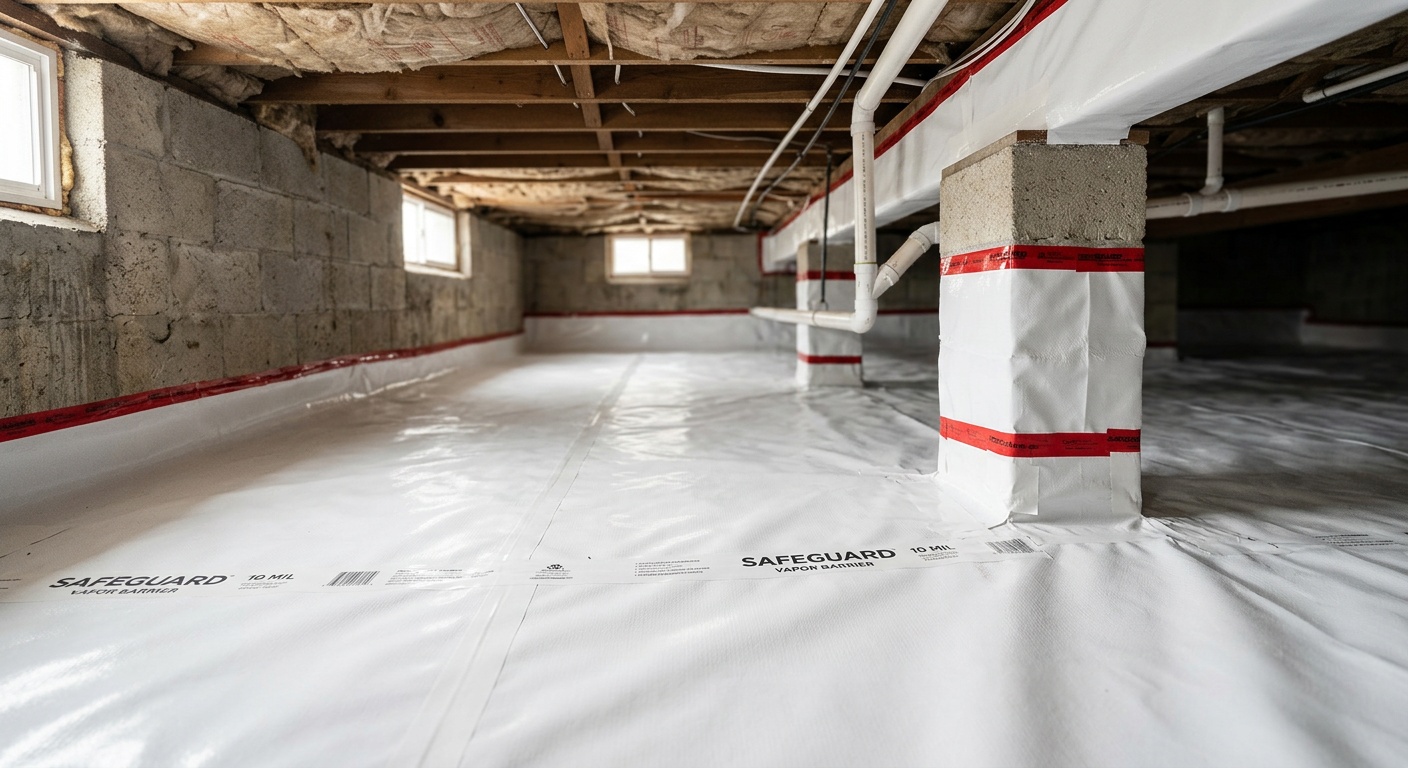
The solution was a heavy-duty polyethylene vapor barrier installed over the entire crawlspace floor and sealed to the foundation walls. Within six weeks of installation, her basement humidity dropped from a chronic 72% to a stable 48%. The smell never returned.
Measuring and Monitoring Your Basement’s Humidity
You can’t manage what you don’t measure. The good news is that in 2026, affordable and accurate monitoring tools are widely available. Here’s what you need:
- Digital hygrometer: A basic digital hygrometer (humidity monitor) costs between $10–$30 and gives you real-time readings of both temperature and relative humidity. Place one in the main basement area and one near any crawlspace.
- Smart sensors: Connected devices from brands like Govee, Inkbird, or SensorPush sync to your smartphone and log data over time. This helps you identify patterns — like humidity spikes that correlate with rain events or when you run your dryer.
- Dew point tracking: Some advanced monitors also calculate dew point. Watching dew point is arguably more useful than humidity percentage alone, because it tells you exactly when condensation is likely to form on surfaces.
Take readings at different times of day and in different weather conditions before drawing conclusions. A single reading on a dry winter day might look perfectly fine, but summer readings in the same space could tell a very different story.
Comparison: Common Moisture Solutions
Not all moisture solutions are equal. Here’s a quick reference to help you understand what each approach actually does — and what it doesn’t.
| Solution | What It Addresses | Effectiveness | Average Cost (2026) | Best For |
|---|---|---|---|---|
| Dehumidifier | Airborne moisture | High (symptomatic relief) | $200–$500 | Most basements as a first step |
| Vapor Barrier (floor/crawl) | Soil moisture diffusion | Very High | $500–$2,500 | Crawlspaces and slab floors |
| Rim Joist Insulation | Air infiltration + condensation | High | $800–$2,000 | Older homes with open rim joists |
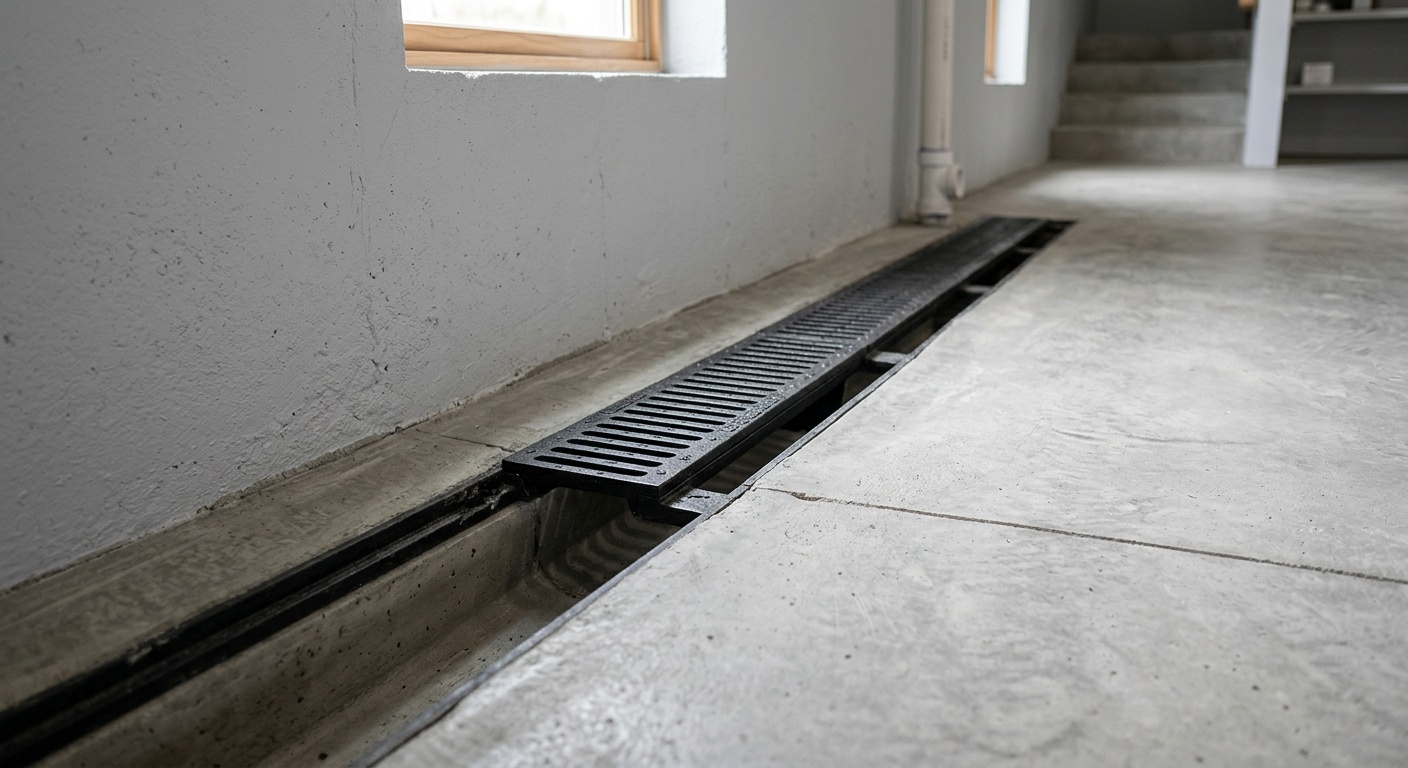
| Exterior Waterproofing | Bulk water and hydrostatic pressure | Highest (for water intrusion) | $8,000–$25,000+ | Active water intrusion through walls |
| Pipe Insulation | Pipe condensation | Moderate | $50–$200 (DIY) | Visible cold supply pipes |
Basement Humidity Sources: Contribution Breakdown
Understanding which sources contribute most to basement humidity can help you prioritize your solutions. The following chart illustrates the approximate contribution of each moisture source in a typical unfinished basement:
Source: Estimated averages based on building science research and field studies, 2025–2026.
Practical Fixes You Can Start This Weekend
Big structural solutions are sometimes necessary, but there’s a surprising amount you can do right now with minimal cost and tools.
Quick Wins: Low-Cost, High-Impact Actions
- Stop opening basement windows in summer. On a humid summer day, this draws moisture in rather than pushing it out. Keep windows closed from June through September in most climates.
- Wrap your cold water pipes. Self-adhesive foam pipe insulation is available at any hardware store for a few dollars per foot. This is a 30-minute DIY project with immediate results.
- Check your dryer vent. Follow the duct from the back of your dryer to where it exits the house. If it dead-ends inside the basement or into a wall with no exterior exit, that’s a code violation — and a major humidity source. Fix it immediately.
- Direct downspouts away from the foundation. Extend downspouts at least 6 feet from the foundation. This doesn’t just address flooding — it reduces the moisture saturation in soil immediately adjacent to your walls, which directly impacts vapor diffusion.
- Grade your landscaping away from the house. The ground should slope away from the foundation at a rate of about 1 inch per foot for the first 6 feet. This directs surface water away before it can saturate foundation-adjacent soil.
Medium-Term Investments Worth Making
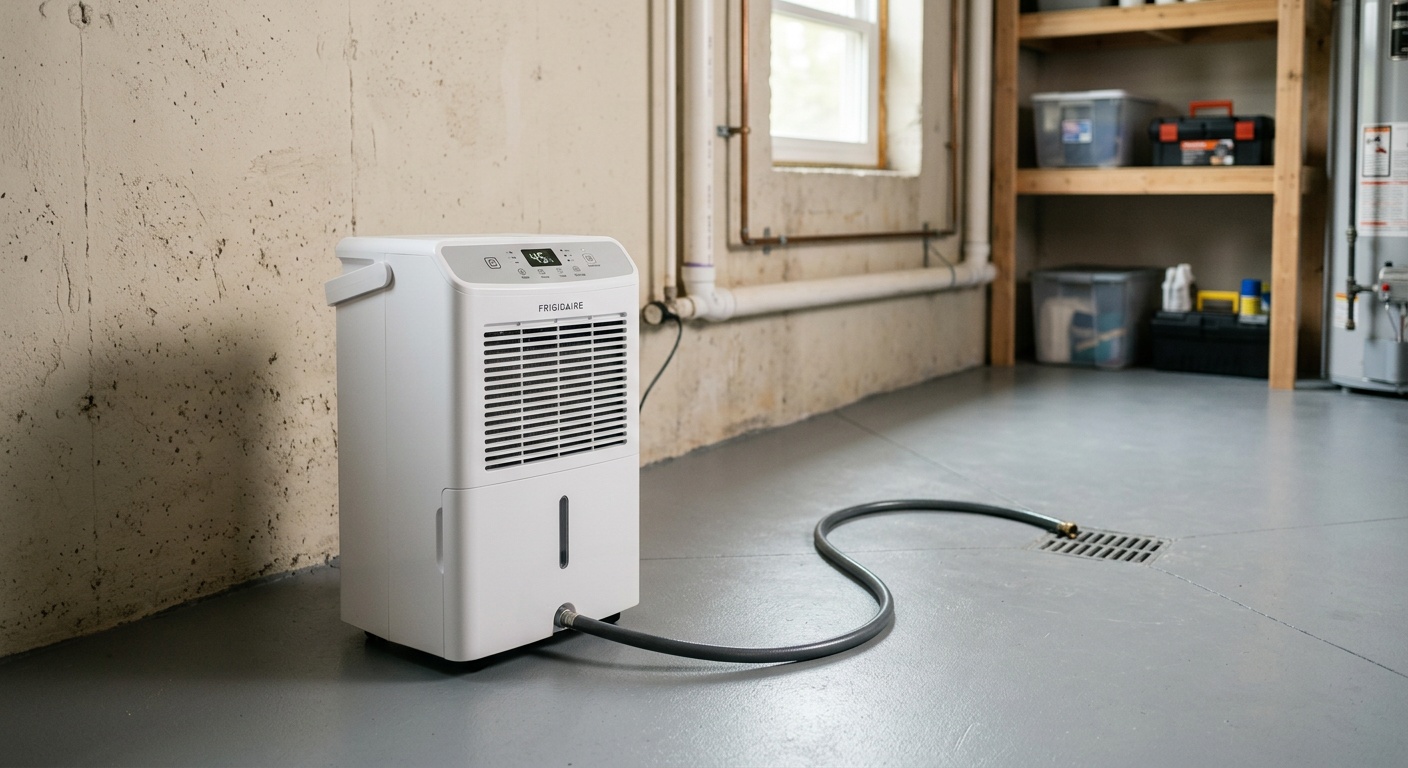
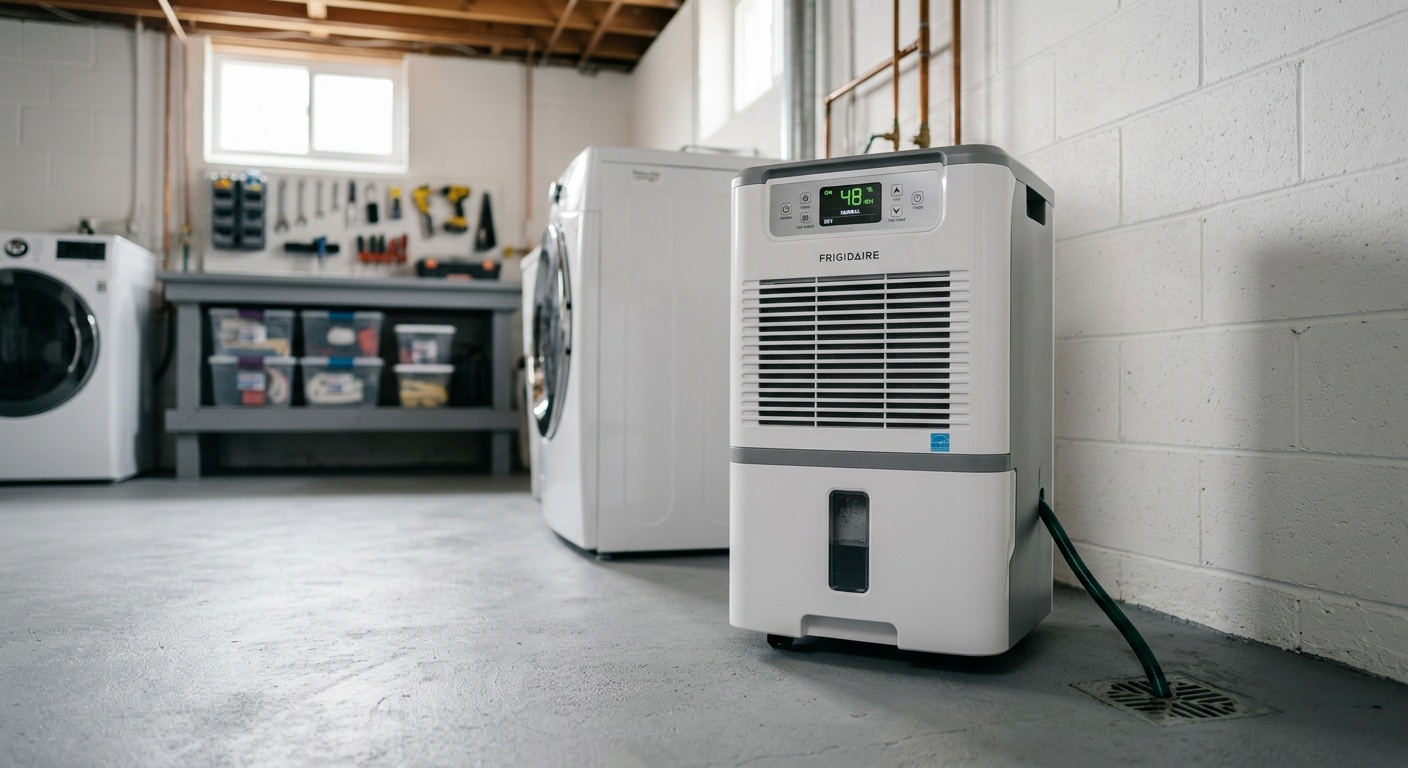
- Install a properly sized dehumidifier. Size matters — don’t just buy the cheapest unit. A basement dehumidifier should be rated for the square footage of your space. In 2026, Energy Star-certified units from brands like Frigidaire, hOmeLabs, and Waykar offer excellent efficiency ratings and will pay for themselves in prevented mold damage within a single season.
- Seal the rim joists with spray foam. Two-part spray foam kits (available for about $100–$150) can transform your rim joist situation in an afternoon. Cut rigid foam to fit the joist bays, then seal the edges with spray foam. This dramatically reduces both air infiltration and the cold surface condensation problem.
- Consider interior basement wall insulation carefully. If you’re finishing a basement or adding insulation to walls, use closed-cell spray foam or rigid foam board (not fiberglass batts) and ensure vapor barriers are properly placed on the warm side of the assembly. This is worth consulting a building performance professional about before proceeding.
While managing indoor humidity is a basement-specific concern, broader home cooling strategies can also play a role in the bigger picture. If you’re curious about how to cool room without ac, some of the same principles of airflow management and moisture control apply across different areas of your home.
Frequently Asked Questions
Why does my basement smell musty even after I run the dehumidifier all summer?
A dehumidifier addresses airborne moisture but doesn’t eliminate the source. If musty odors persist, there’s likely existing mold or mildew growth inside wall cavities, behind finished surfaces, or in your crawlspace — areas the dehumidifier can’t reach. You may also have ongoing soil vapor infiltration that continuously re-saturates the air faster than the dehumidifier can remove it. The solution involves identifying and sealing the vapor sources first, then using the dehumidifier for residual control. A professional air quality inspection can locate hidden mold colonies that are generating the odor.
Is basement humidity dangerous to my health?
Yes, sustained elevated humidity in a basement poses real health risks, particularly if you spend time in the space or if air circulates from the basement to upper living areas. Mold spores thrive above 60% relative humidity and produce allergens and mycotoxins that can trigger respiratory problems, worsen asthma, cause headaches, and in cases of severe exposure, lead to more serious conditions. The EPA and CDC both recommend maintaining indoor humidity below 50% to minimize mold risk. In 2026, indoor air quality is increasingly recognized as a major public health issue, with basement moisture cited as one of the top five contributors to poor residential air quality.
At what point should I call a professional instead of handling this myself?
Start with the DIY fixes outlined in this article — they resolve the problem in many cases. Call a professional when: you see white mineral deposits (efflorescence) on your basement walls, which indicates water is moving through the concrete; you notice cracks in the foundation wall, especially horizontal cracks, which can signal structural movement; your basement humidity stays above 65% despite running a properly-sized dehumidifier consistently; or you discover mold covering more than 10 square feet of surface area (the EPA’s threshold for professional remediation). When in doubt, a certified building performance contractor or industrial hygienist can perform diagnostic testing that takes the guesswork out of the situation.
Sealing the Deal: Your Dry Basement Action Plan
You’ve now got a clear picture of what’s actually happening in your basement — and the knowledge to do something about it. Let’s bring it all together into a practical roadmap you can start using today.
Step 1: Measure First. Buy a digital hygrometer and take readings over one full week, including different weather conditions. Document what you find. This baseline tells you how serious the problem is and helps you evaluate whether your interventions are working.
Step 2: Eliminate the Obvious Sources. Check your dryer vent, wrap exposed cold pipes, and stop opening basement windows during humid months. These are free or nearly free fixes that often produce noticeable results within days.
Step 3: Seal Air Infiltration Points. Tackle the rim joists with spray foam. Inspect and caulk around all utility penetrations where pipes and wires enter the foundation wall. This step directly addresses two of the biggest moisture contributors simultaneously.
Step 4: Address Soil Vapor. If you have a crawlspace with exposed dirt, installing a vapor barrier is non-negotiable. If you have a concrete slab floor with no vapor barrier beneath it, discuss options with a contractor — from topical sealers to more comprehensive solutions.
Step 5: Deploy Mechanical Dehumidification. After addressing sources, a properly sized dehumidifier keeps residual humidity under control and provides the continuous monitoring buffer you need. Set it to maintain 45–50% relative humidity and check or empty the reservoir regularly, or invest in a model with a drain hose for continuous operation.
As climate patterns continue shifting in 2026 and beyond, basement moisture management is becoming less of a “nice to have” and more of an essential part of responsible homeownership. Homes that are proactively managed for moisture hold their value better, have healthier indoor air quality, and avoid the enormous remediation costs that moisture damage ultimately brings.
Here’s the question worth sitting with: Is your basement quietly working against your home’s value and your family’s health right now — and what will you do this week to change that?