How Much Does Basement Waterproofing Cost in Kansas City? (2026 Complete Guide)
Reading time: 12 minutes
You noticed the damp smell first. Then the white powder creeping along the foundation walls. Maybe a puddle after last spring’s heavy rains. If you’re a Kansas City homeowner staring at a wet basement wondering what it’s going to cost to fix it — this guide is written specifically for you.
Here’s the straight talk: basement waterproofing in Kansas City isn’t a one-size-fits-all expense. Costs vary dramatically based on your home’s age, your foundation type, the severity of water intrusion, and the method required to solve the problem. But with the right information, you can navigate this process strategically — protecting your home investment without overpaying or being caught off guard.
Let’s break down exactly what you’re looking at, from the first inspection call to the final invoice.
Table of Contents
- Why Kansas City Basements Are Especially Vulnerable
- 2026 Basement Waterproofing Cost Overview
- Waterproofing Methods and Their Costs
- Key Factors That Affect Your Final Price
- Real Kansas City Scenarios: What Homeowners Actually Paid
- DIY vs. Professional: When Each Makes Sense
- Cost Comparison Table
- Contractor Red Flags to Avoid in KC
- Frequently Asked Questions
- Your Dry Basement Roadmap: Next Steps
Why Kansas City Basements Are Especially Vulnerable
Before we get into numbers, it’s worth understanding why this is such a pressing issue for Kansas City homeowners specifically. The metro area sits on expansive clay soils — a geological characteristic that makes basement water intrusion more common and more complicated than in many other U.S. cities.
Kansas City’s clay-heavy soil expands when wet and contracts when dry. This constant movement exerts lateral pressure on foundation walls, causing cracks, bowing, and gaps that allow water to seep in. Add the region’s weather patterns — Kansas City averages about 38 inches of rainfall annually, with notoriously intense spring storm systems — and you have a recipe for chronic moisture problems.
In 2025, the Kansas City metro experienced several significant rainfall events that overwhelmed older drainage infrastructure in neighborhoods like Brookside, Waldo, and parts of Independence. The resulting uptick in water damage claims prompted a surge in waterproofing contractor activity that has carried into 2026, with demand remaining strong and prices reflecting that reality.
“Kansas City’s combination of expansive soils, freeze-thaw cycles, and intense spring precipitation puts it in the top tier of cities where basement waterproofing is not optional — it’s maintenance.”
— Regional Structural Engineering Association, 2025 Annual Report
Understanding your local context matters when budgeting. What works in a drier climate may be insufficient here, and contractors who specialize in the KC market will tell you the same thing.
2026 Basement Waterproofing Cost Overview
So, what are we actually talking about financially? In 2026, Kansas City homeowners are paying anywhere from $500 for minor crack injections to $30,000+ for full interior and exterior system installations on larger homes. The median project falls somewhere in the $4,500 to $10,000 range for a standard two-bedroom home with a full basement.
Here’s a quick snapshot to orient your expectations:
- Minor crack repairs (epoxy/polyurethane injection): $500 – $2,500
- Interior drain tile system: $3,000 – $12,000
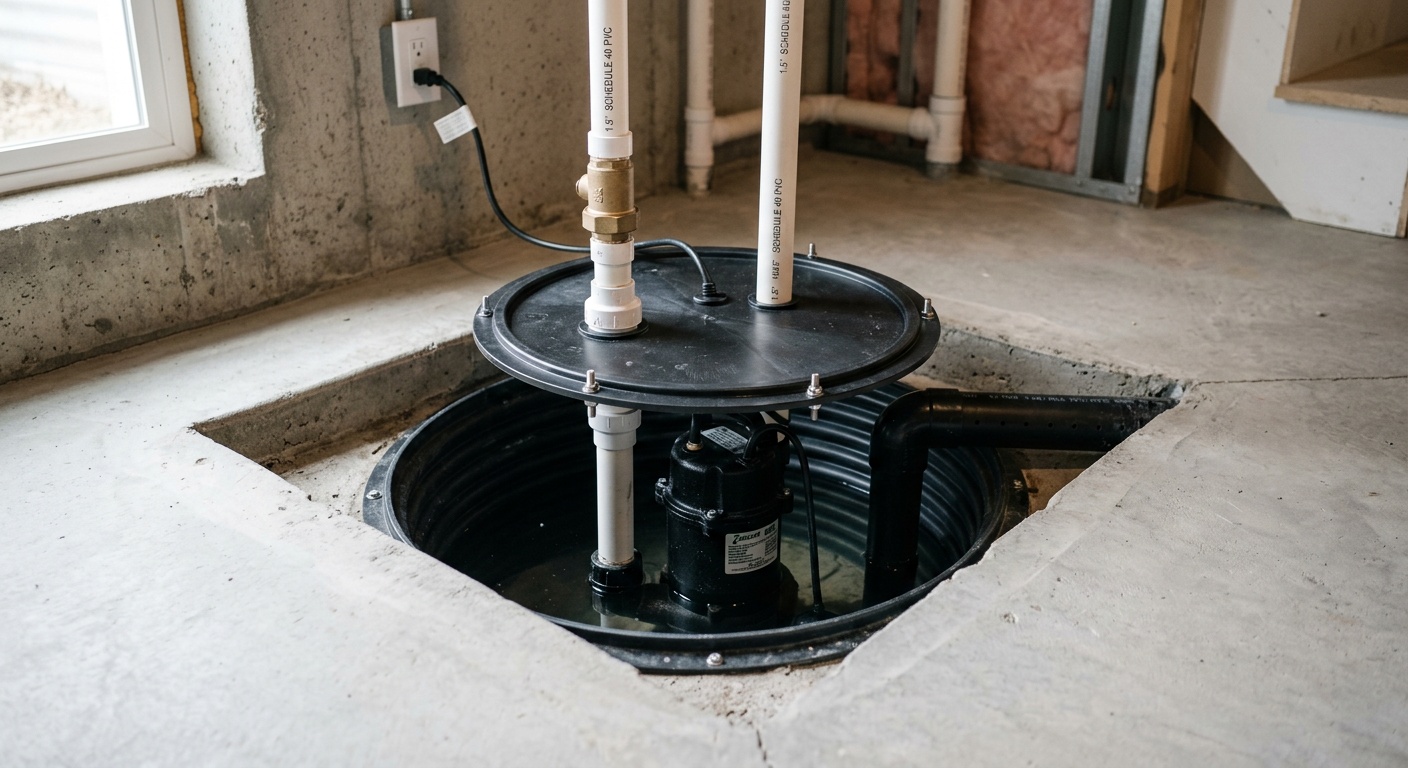
- Sump pump installation or replacement: $800 – $3,000
- Exterior waterproofing (excavation required): $8,000 – $25,000+
- Full basement encapsulation (crawl space): $2,500 – $8,000
- Window well installation: $700 – $2,500 per well
- French drain system: $1,500 – $6,500
Keep in mind that most Kansas City projects combine multiple solutions. A typical mid-range project might include an interior drain tile system, a new sump pump with battery backup, and crack injections — bringing the combined cost to roughly $7,000 to $14,000 for average-sized homes.
How Kansas City Compares to National Averages
Nationally, the average basement waterproofing project costs between $4,000 and $9,000 in 2026. Kansas City sits slightly above the national midpoint, driven primarily by soil conditions that require more robust drainage solutions and the region’s above-average storm intensity. Labor costs in KC are moderate compared to coastal cities, which keeps the ceiling from going too high — but the complexity of clay-soil work means you shouldn’t expect the lowest-tier pricing either.
2026 Average Cost by Waterproofing Method (Kansas City)
~$1,500
~$1,900
~$7,500
~$16,000
~$11,000
Waterproofing Methods and Their Costs
Each waterproofing solution addresses a specific problem. Matching the right method to your situation is the difference between a smart investment and throwing money at the wrong fix.
Interior Waterproofing Systems
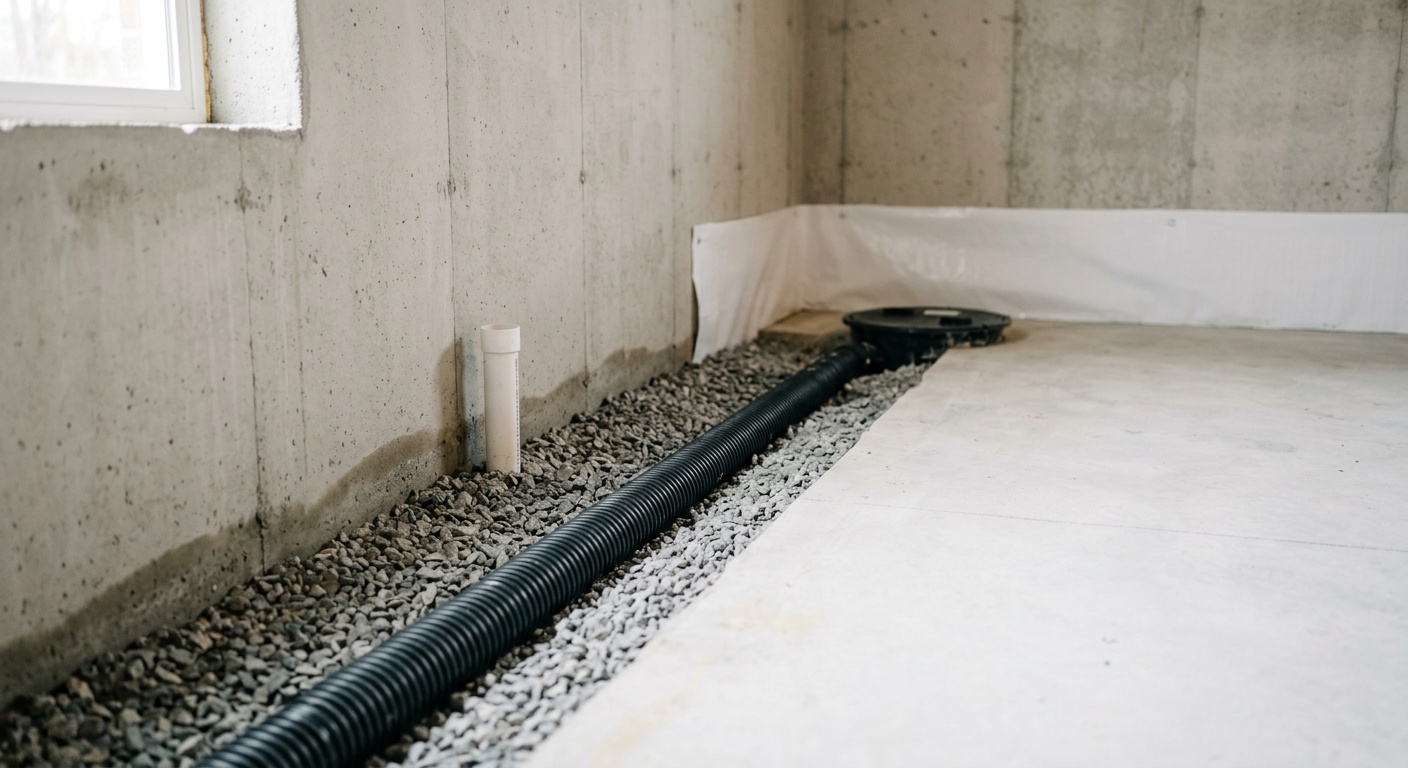
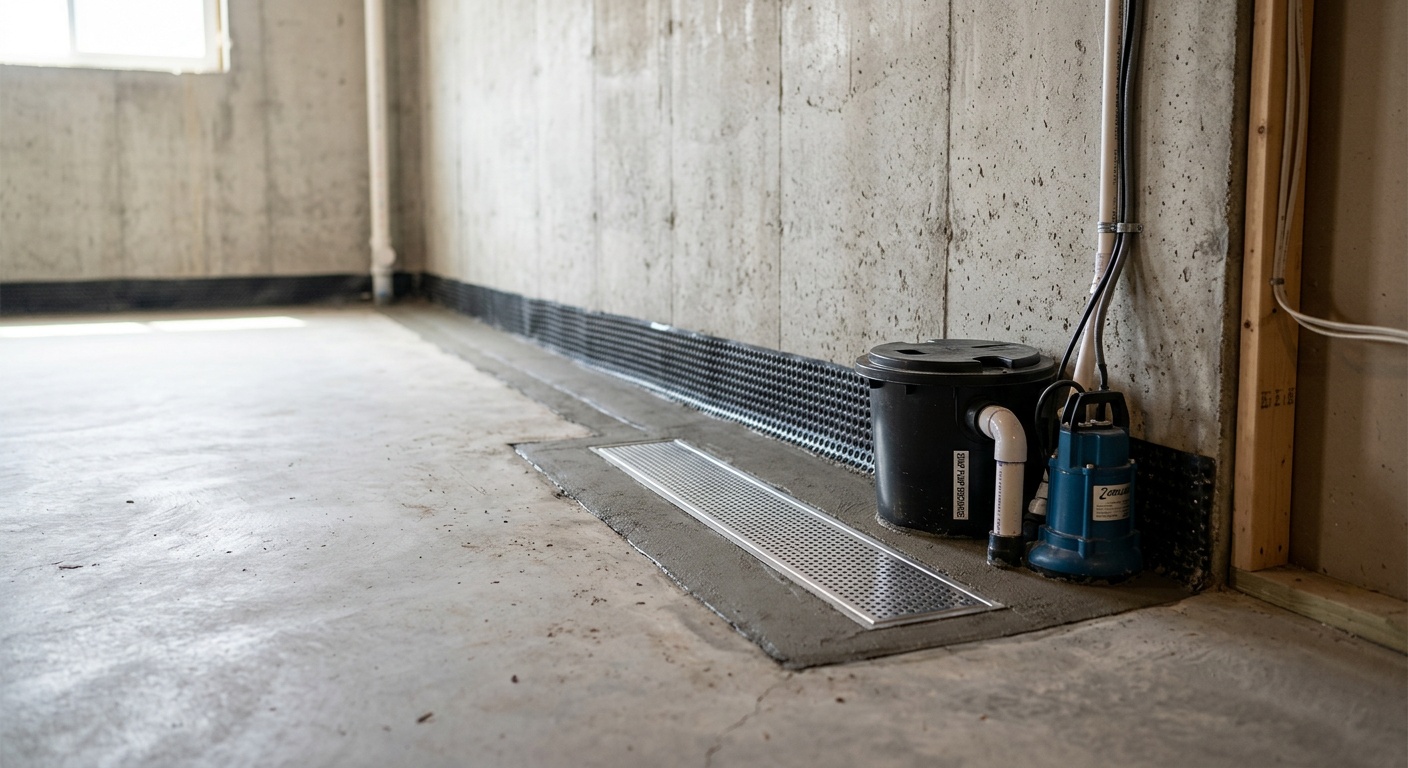
Interior waterproofing is the most commonly recommended and installed solution in Kansas City. Rather than stopping water from entering the foundation, it manages water that does get in — channeling it to a sump pump for removal.
Interior drain tile systems involve cutting a trench around the perimeter of your basement floor, installing perforated pipe, and covering it with new concrete. Water that seeps through the walls drains into this channel and is pumped out. This approach costs $3,000 to $12,000 depending on basement size, and most Kansas City contractors favor it because it works well with the local clay soil conditions — which would make exterior excavation prohibitively expensive for many older homes.
Wall vapor barriers and waterproofing panels can be installed alongside interior drain systems to prevent moisture from evaporating into your living space. These add $1,500 to $4,000 to a project but significantly improve air quality and humidity levels.
Exterior Waterproofing Systems
Exterior waterproofing is considered the most comprehensive solution because it addresses the root cause — it prevents water from reaching your foundation walls in the first place. However, it requires excavating the soil around your home’s perimeter, making it the most expensive and disruptive option.
In Kansas City, exterior waterproofing typically involves applying a waterproof membrane or coating to the outside of foundation walls, installing drainage board, and adding a French drain system at the footing level. Total costs range from $8,000 to $25,000, with larger homes or those with landscape features like decks and patios that need removal costing even more.
This method is most appropriate for homes with severely deteriorated foundation walls, persistent exterior water pressure, or situations where interior drainage simply cannot keep pace with water intrusion volume.
Crawl Space Encapsulation
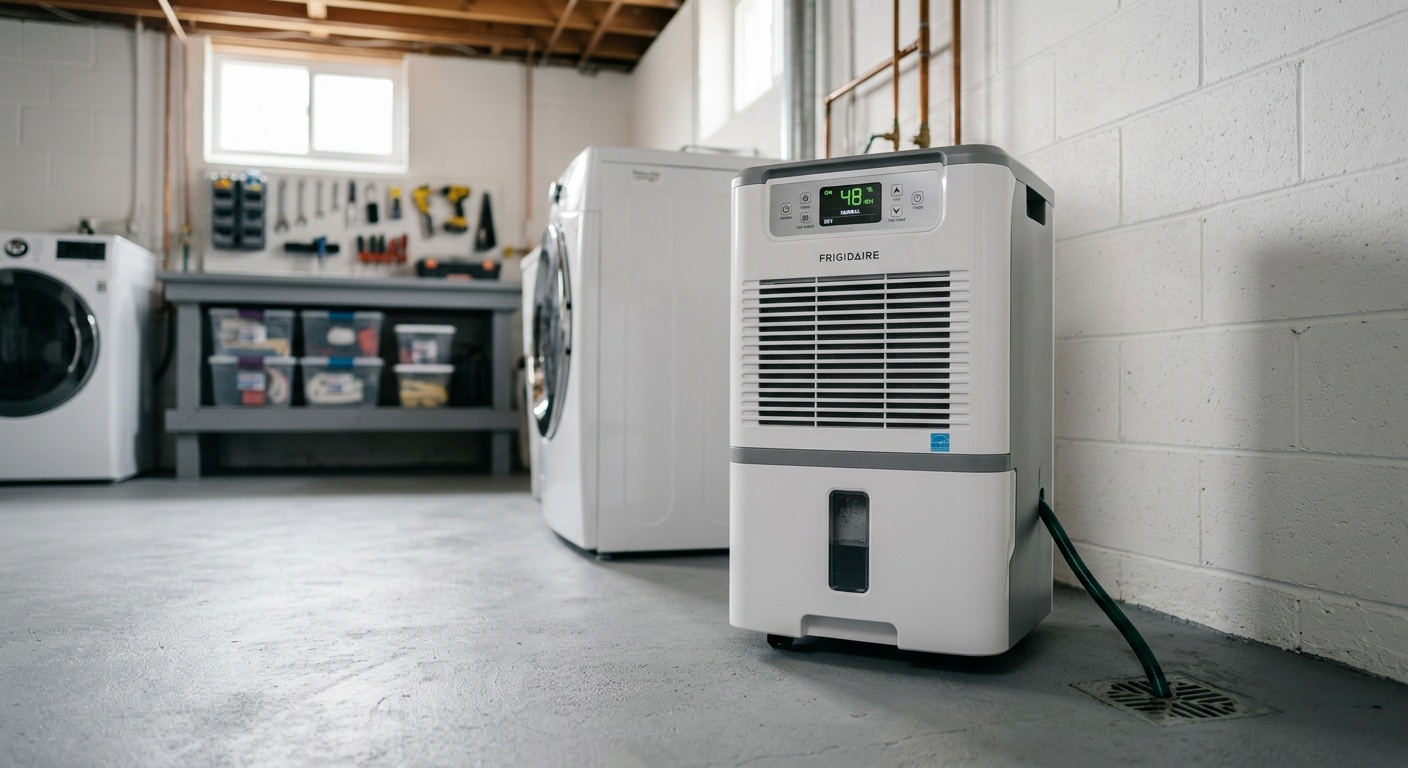
If your Kansas City home has a crawl space rather than a full basement, encapsulation is the go-to solution. This involves sealing the crawl space with a heavy-duty vapor barrier, controlling moisture levels with a dehumidifier, and sometimes adding insulation. Costs in KC range from $2,500 to $8,000, depending on crawl space size and existing conditions.
Homes in Overland Park and Leawood with slab-on-grade construction sometimes have partial crawl spaces that fall into this category, and encapsulation has become an increasingly popular upgrade as more homeowners convert these spaces to usable storage.
Crack Repair and Injection
Not every wet basement requires a full drainage system. Isolated cracks in poured concrete foundations can sometimes be resolved with epoxy or polyurethane foam injection — a significantly more affordable fix at $500 to $2,500 per crack. This is appropriate for hairline to moderate cracks that are not the result of structural movement or ongoing hydrostatic pressure.
A word of caution: some contractors in KC aggressively recommend crack injection as a standalone solution when a more comprehensive approach is warranted. If you’re seeing cracks alongside seepage along the wall-floor joint, or if your walls are bowing, crack injection alone will not solve the problem.
Key Factors That Affect Your Final Price
Why do two neighbors with similar-looking homes get quotes that differ by $5,000? Here are the variables that contractors evaluate when pricing your project:
- Basement size: Most drain tile systems are priced per linear foot of perimeter. Larger basements mean longer trenches and higher costs.
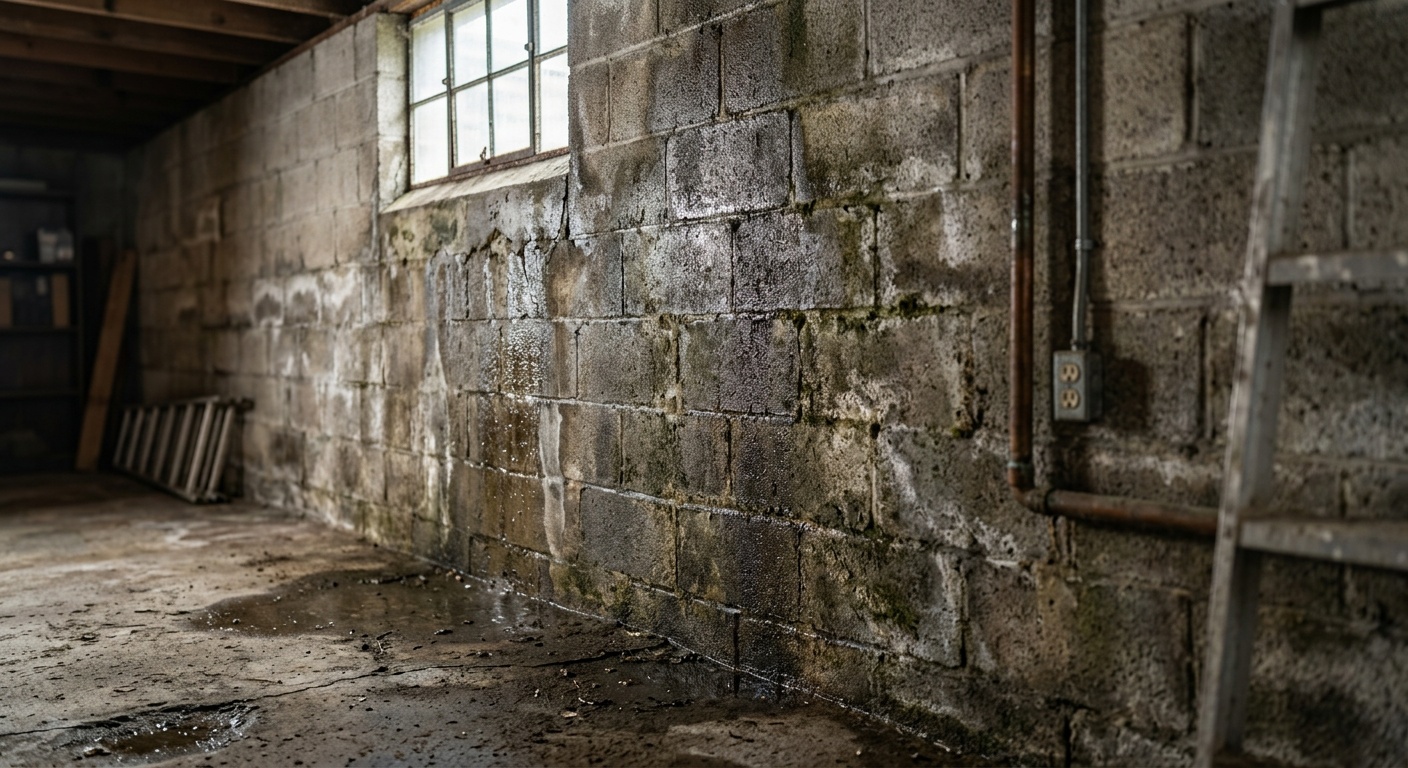
- Foundation type: Poured concrete, concrete block, and stone foundations all present different challenges. Block foundations common in older Midtown KC homes are notoriously prone to water intrusion through mortar joints and require more extensive treatment.
- Severity of water intrusion: Active flooding versus mild seepage requires different scopes of work. Contractors assess whether your problem is hydrostatic pressure, surface water drainage, or condensation — each demands a different solution set.
- Soil conditions: In areas with severe clay expansion, additional drainage aggregate and specialized systems may be necessary.
- Access and obstacles: Finished basements cost more to waterproof because walls and flooring must be removed and potentially replaced. Expect to add $1,500 to $4,000 if your basement is finished.
- Sump pump needs: Many KC homes need a new sump pit, a higher-capacity pump, or a battery backup system added as part of the project.
- Warranty and service contracts: Premium contractors offer lifetime transferable warranties. These are worth paying for — especially since they add resale value — but they factor into upfront cost.
Real Kansas City Scenarios: What Homeowners Actually Paid
Abstract numbers become much more useful when you see them applied to real situations. Here are three representative cases from the Kansas City metro in 2025-2026:
Case Study 1: Brookside Bungalow, Built 1942
A homeowner in the Brookside neighborhood contacted three contractors after noticing water pooling in the southeast corner of their basement every spring. The home has a concrete block foundation — typical of the era — and a finished basement with drywall and carpet.
Two contractors recommended a full interior perimeter drain tile system with a new sump pit and battery-backup pump. The third recommended exterior excavation of the affected corner. After reviewing the proposals, the homeowners chose the interior drain tile approach, which required removing a portion of the finished wall and carpet. Total project cost: $8,900, including a transferable lifetime warranty. The exterior option had been quoted at $14,200.
Case Study 2: New Construction Townhome, Lenexa
A couple in Lenexa purchased a 2019-built townhome and discovered the crawl space beneath a portion of the home had visible moisture and early signs of mold on floor joists. An encapsulation company was called in to assess the situation.
The solution involved a 12-mil vapor barrier installation, a crawl space dehumidifier, and sealing of all vents. Because the space was clean and accessible with no existing drainage issues, the project was straightforward. Total cost: $3,600. The homeowners noted that their first-floor hardwood stopped showing seasonal gaps within a year — a bonus benefit of the improved humidity control.
Case Study 3: 1980s Ranch Home, Independence
An Independence homeowner had been managing a wet basement with towels and a shop vac for years before finally getting quotes in 2026. The issue: a combination of a failing sump pump, one significant horizontal crack in a poured concrete wall (a sign of lateral pressure), and inadequate exterior grading that directed water toward the foundation.
The recommended scope included crack injection with polyurethane foam, interior perimeter drain tile, a new 3/4 HP sump pump with battery backup, and re-grading the soil around three sides of the home. Total project cost: $9,400. The grading work was handled by a landscaper separately for an additional $1,200.
DIY vs. Professional: When Each Makes Sense
Let’s be realistic about where the line is. Some basement moisture tasks are genuinely manageable for a motivated DIYer. Others require professional equipment, expertise, and insurance coverage that no YouTube tutorial can replace.
DIY-appropriate tasks:
- Applying hydraulic cement or waterproofing paint to minor surface damp spots ($30–$150 in materials)
- Cleaning and extending downspout extensions away from the foundation
- Re-grading soil around the foundation perimeter
- Replacing a sump pump (straightforward mechanical swap, $150–$400 for a quality pump)
- Installing a window well cover
Always hire a professional for:
- Interior drain tile installation (requires concrete cutting, proper slope, and code compliance)
- Structural crack evaluation and injection
- Any exterior excavation work
- Crawl space encapsulation with moisture management systems
- Any situation involving bowing or leaning foundation walls
Pro Tip: Before spending any significant money, spend $300–$500 on an independent structural engineer’s assessment. This is different from a “free inspection” offered by waterproofing contractors — who have an obvious financial incentive to recommend work. An independent engineer will tell you exactly what’s structural versus cosmetic, and that information is worth its weight in avoided upsells.
Cost Comparison Table: Waterproofing Methods in Kansas City (2026)
| Method | Avg. KC Cost | Durability | Best For | Disruption Level |
|---|---|---|---|---|
| Crack Injection | $500 – $2,500 | 10–20 years | Isolated cracks, poured concrete | Low |
| Interior Drain Tile | $3,000 – $12,000 | Lifetime (with maintenance) | Chronic seepage, most KC homes | Medium |
| Exterior Waterproofing | $8,000 – $25,000 | 20–40 years | Severe water pressure, new construction | High |
| Crawl Space Encapsulation | $2,500 – $8,000 | 15–25 years | Crawl space homes, moisture control | Low–Medium |
| Full System (Combined) | $7,000 – $18,000 | Lifetime (with maintenance) | Comprehensive protection | Medium–High |
Contractor Red Flags to Avoid in Kansas City
The basement waterproofing industry has a well-documented history of high-pressure sales tactics and overselling. In a market as active as Kansas City’s, knowing what to watch for protects your wallet.
- The “today only” discount: Legitimate contractors don’t price their services based on artificial urgency. If you’re told the price jumps significantly tomorrow, walk away.
- Free inspections that always find catastrophic problems: Not every wet basement needs a $15,000 system. If every contractor you call recommends the most expensive solution, get an independent engineering opinion.
- No written warranty details: “Lifetime warranty” means nothing without specific written terms. What does it cover? Is it transferable? Does it require annual maintenance visits? Get it in writing.
- Subcontracting without disclosure: Some national waterproofing chains operating in KC subcontract installation work. Ask directly who will be on your job site and verify their licensing.
- Unlicensed contractors: Missouri requires general contractor licensing for work over $5,000. Always verify licensing through the Missouri Division of Professional Registration before signing any contract.
Smart Move: Get a minimum of three quotes. In Kansas City in 2026, the spread between the lowest and highest quote for identical scopes of work can easily exceed $4,000. Multiple quotes also give you leverage and insight into what’s genuinely necessary.
Frequently Asked Questions
Does homeowners insurance cover basement waterproofing in Kansas City?
In most cases, standard homeowners insurance does not cover basement waterproofing as a preventative measure or for gradual water seepage. However, if sudden water damage occurs from a covered peril — such as a pipe burst or specific storm events — portions of the damage may be covered. Flood damage specifically requires a separate flood insurance policy, typically through the National Flood Insurance Program (NFIP). Always review your policy details and speak with your insurance agent before assuming coverage. Some KC homeowners in flood-prone areas like the bottoms near the Missouri River may qualify for FEMA mitigation grant assistance for waterproofing work.
How long does basement waterproofing take to complete in Kansas City?
Most interior drain tile projects in Kansas City homes are completed in one to three days. Crack injection repairs can often be done in a few hours. Exterior waterproofing is the most time-intensive, typically requiring three to seven days depending on the scope of excavation and the size of the home. Crawl space encapsulation usually takes one to two days. Contractors typically schedule work 2–4 weeks out during peak season (spring and early summer), so if you discover a problem in April, don’t expect an immediate appointment.
Does basement waterproofing add value to a Kansas City home?
Yes — and meaningfully so. Real estate professionals in the Kansas City market consistently note that a documented, warrantied waterproofing system — especially one with a transferable warranty — is a significant selling point. On average, basement waterproofing returns 50–70% of its cost in home value, according to national remodeling value surveys, though the figure in a moisture-prone market like Kansas City can be higher. More importantly, a wet basement actively devalues your home and can derail sale transactions during inspection. Proactively waterproofing before listing is increasingly common among KC sellers aiming to avoid last-minute price reductions.
Your Dry Basement Roadmap: Next Steps
You now have a clear framework for understanding what basement waterproofing costs in Kansas City, what drives those costs, and how to approach the process intelligently. Here’s how to move forward:
- Diagnose before you spend. Schedule an independent structural engineer’s assessment ($300–$500) if you have any wall cracking, bowing, or signs of significant structural movement. This protects you from overselling.
- Document everything. Take photos and note when and where water appears — after rain? During snowmelt? Always? This information helps contractors identify root causes quickly and accurately.
- Get three competitive quotes. Use the cost ranges in this guide as benchmarks. Anything significantly above or below average warrants questions.
- Check licensing and warranties. Verify Missouri contractor licensing and get all warranty terms in writing before signing.
- Budget for the complete solution. Resist the urge to choose the cheapest partial fix. A $1,500 crack injection that fails to address underlying drainage issues will cost you more in the long run than a comprehensive $8,000 system done right the first time.
As Kansas City continues to face the dual pressures of aging housing stock and increasingly volatile weather patterns, basement water management is evolving from a reactive repair to a proactive home investment strategy. Homes with documented, warrantied waterproofing systems are increasingly commanding premiums in the KC market — a trend that shows no signs of slowing through 2027 and beyond.
Your basement isn’t just a cost center — it’s a foundation. Treat it like one. Is your home’s foundation working for your investment, or quietly working against it?